
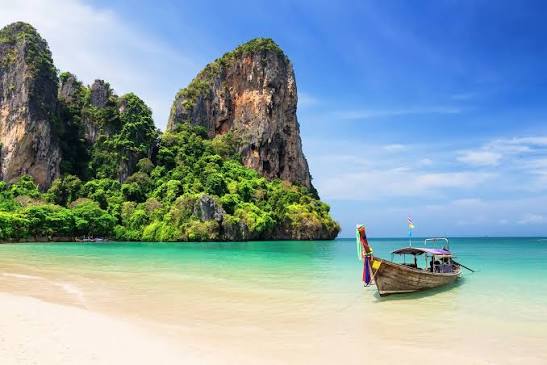
Overview
Thailand is one of Southeast Asia's most popular destinations for foreign English teachers, offering an accessible entry point at public school and language centre level alongside a well-developed international school sector in Bangkok and beyond. Living costs are low relative to income in most roles, the food is exceptional and inexpensive, and the climate, culture, and regional travel access make Thailand a compelling long-term base for educators at every career stage.
The Thai government has consistently identified English language proficiency as a national development priority. This drives demand across the entire spectrum, from the Ministry of Education's placement of foreign teachers in government schools to premium international schools serving Bangkok's substantial expatriate and affluent Thai community. The market is significant in scale: Thailand has over 30,000 government schools, a growing private and bilingual school sector, and well over 100 international schools, the majority concentrated in Bangkok.
Types of schools and institutions
Public schools are the most accessible entry point for new teachers in Thailand, with a predictable Monday to Friday schedule and a genuine immersive cultural experience, particularly outside Bangkok. Class sizes can be large and salaries are the lowest across the market, but the total package of experience and lifestyle is compelling for new arrivals.
- ✓Bachelor's degree (any subject)
- ✓Non-B visa and work permit
- ✓Khurusapha teaching licence or waiver
Private language centres are a common entry point for teachers in Bangkok and the major cities, offering competitive hourly rates and more flexible scheduling than public schools. The afternoon and evening schedule suits some teachers; adult and business English remain the most active areas of the private market.
- ✓Bachelor's degree (any subject)
- ✓TEFL certificate
International schools are the top tier of Thailand's teaching market, concentrated in Bangkok with additional campuses in Chiang Mai, Phuket, and the Eastern Seaboard. Packages at leading institutions include housing allowances, annual return flights, and international health insurance alongside competitive salaries. A recognised home-country teaching licence and classroom experience are firmly required.
- ✓Recognised teaching licence (QTS, PGCE, or state equivalent)
- ✓Classroom experience
Thai universities offer a comfortable working environment with moderate teaching loads and generous holiday schedules. The prestige of a university position provides stability and a pleasant campus environment. An MA is the standard minimum requirement for most lecturer roles at leading public and private institutions.
- ✓MA generally preferred for tertiary roles
Corporate training serves the multinational and domestic business sectors in Bangkok and the major commercial cities, typically on an hourly freelance basis. Professional experience and strong business English skills are expected, given the seniority of clients in these programmes.
- ✓Professional experience
- ✓Business English skills expected
Visa and work permit
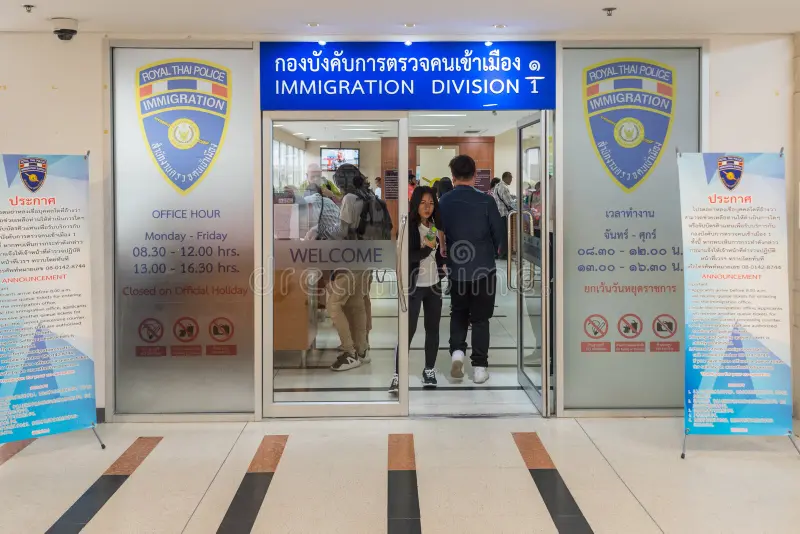
All foreign teachers require a Non-Immigrant B (Business/Employment) visa paired with a work permit issued by the Department of Employment. The two documents work together: the visa authorises entry and residence, and the work permit authorises employment. Both require employer sponsorship, and the employer's compliance record is one of the most important factors to check before accepting a role.
- 1A bachelor's degree in any subject is mandatory for the Non-B visa application and the subsequent work permit
- 2A 120-hour TEFL or TESOL certificate is the standard minimum across public schools and language centres; international schools require a recognised home-country teaching licence
- 3A work permit is typically valid for one year and must be renewed annually in coordination with the employer's licence
- 4All teachers at government and licensed private schools require a Khurusapha (Teachers' Council of Thailand) teaching licence; a provisional licence is issued during the processing period, which typically takes three to six months
- 5Criminal background checks and degree certificates must be notarised or apostilled before submission to immigration and the Department of Employment
Hiring season
Language centres hire throughout the year, while public schools follow the Thai academic calendar with peak recruitment from October through March for May semester starts and January through March for second semester (March) positions. International schools align with a northern hemisphere calendar, recruiting primarily from October to February for August and September starts, with the most competitive schools often closing positions as early as December or January.
Career progression
Thailand's teaching career follows a well-defined path from public school entry through to international school leadership, with the Khurusapha teaching licence acting as the key qualifying credential for advancement into the mid and upper tiers of the market. Typical career progression in Thailand looks like this:
Stage
What it looks like
Entry
Year 1
Public school or language centre on a temporary permit while completing mandatory document authentication. Build classroom confidence, begin adjusting to Thai working culture, and start the Khurusapha licence application process with employer support.
Consolidation
Years 2–3
Progress towards the full Khurusapha teaching licence, which unlocks access to the broader school market. English Programme and bilingual schools become realistic targets; salary and professional environment improve meaningfully at this stage.
Specialisation
Years 3–5
International school entry or senior private sector roles. A recognised home-country teaching licence (QTS, PGCE, or state equivalent), combined with the Khurusapha credential and subject specialism, positions teachers competitively for Bangkok's international school market.
Senior roles
Year 5 onwards
Head of Department, curriculum coordinator, or IB Coordinator roles at international schools. Deputy Principal and Principal positions at Thailand's leading institutions offer packages comparable to the best in the wider region.
A day in the life
Daniel is a 42-year-old from Cape Town who spent fifteen years in financial services before retraining and discovering that working with people was what he'd always been best at. Bangkok wasn't the plan, but it has become home in every sense of the word.

Daniel J.
Corporate Training & Development Lead
Read MoreA typical day
| 6:00am | Early Muay Thai training at a local gym before the workday begins, the one part of the day that's non-negotiable no matter how the schedule looks. |
| 7:30am | Breakfast, usually something light like fruit and coffee after training, I've learned the hard way not to eat too much before a session. |
| 8:30am | I commute into Bangkok's business district, reviewing the day's corporate training schedule and running through notes from yesterday's session with one client group. |
| 9:00am to 12:00pm | I deliver business English training for corporate clients, today's group is a mid-level management team working on presentation skills ahead of a regional conference, plenty of practice structuring a pitch and handling tough questions on the spot. |
| 12:15pm | Lunch, a quick Thai meal near the office, today it's pad kra pao, one of those dishes I could genuinely eat most days without getting tired of it. |
| 1:00pm to 3:00pm | Curriculum design work, building materials for an upcoming client programme and going through trainer performance data from the past month to see where the sessions are landing well and where they're not. |
| 3:00pm to 5:00pm | Client meetings, today's is with an HR manager reviewing outcomes from this quarter's programme and starting to scope what the next one should focus on, likely negotiation language given some recent feedback. |
| 5:15pm | I wrap up for the day and head home, sometimes fitting in a second, lighter Muay Thai session in the evening if I've got the energy for it. |
| 7:00pm | Dinner, often at a local restaurant near his apartment. |
| 8:30pm | Evening downtime before an early night, given the early training sessions most mornings. |
Taxes
Thailand operates a progressive personal income tax system on annual assessable income. Tax is withheld at source by employers monthly for employed teachers; freelance and part-time teachers are responsible for filing and paying quarterly. Rates apply to annual figures rather than monthly salary.
Taxpayers can claim a personal allowance of ฿60,000 and a standard employment income deduction of 50% of salary (capped at ฿100,000) before these rates apply. Employee contributions to the Social Security Fund (฿750 per month at the employee rate) are also deductible. At typical public school salary levels, effective tax after deductions is very low.
Cost of living
Thailand is one of the most affordable countries to live in within Southeast Asia, particularly outside Bangkok. Street food costs ฿40 to ฿80 per dish, a complete local meal ฿80 to ฿150, and inexpensive transport and fresh produce keep daily costs low even on a modest salary.
Life in Thailand
Housing and renting
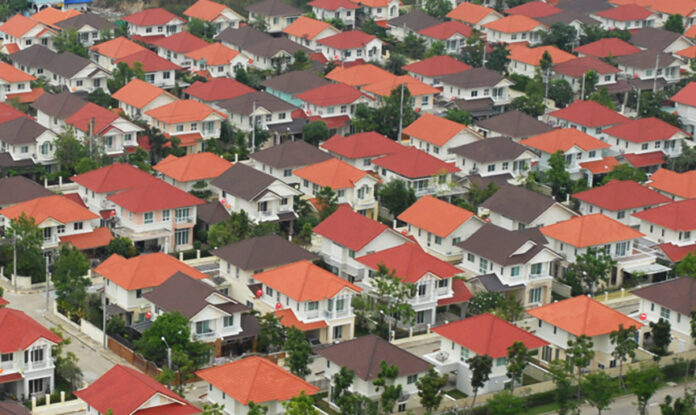
Most foreign teachers rent condominiums or serviced apartments. In Bangkok, proximity to a BTS Skytrain or MRT station is a practical priority given the city's traffic; condos near major stations rent for ฿12,000 to ฿25,000 per month for a one-bedroom unit. Chiang Mai, Chonburi, and other regional cities are significantly cheaper. Leases are generally for one year with a two-month deposit, and landlords frequently negotiate on price for longer commitments. Some international schools include a housing allowance or provided accommodation as part of the employment package.
Useful Platforms for House Hunting
DDProperty and Hipflat are useful places to search for rentals. Expat housing groups on Facebook can also help you find options in Bangkok and Chiang Mai.

Quality of life and where to live
Thailand offers one of Asia's most favourable lifestyle-to-cost ratios for foreign educators. The warm climate, world-class food culture, and extensive travel access within the region combine with a welcoming expatriate community and genuinely affordable daily living.
- Bangkok:The capital and dominant teaching market; the largest expat community in Southeast Asia, excellent food and nightlife, career-defining international school opportunities, and efficient metro connectivity across a vast and energetic city.
- Chiang Mai:Thailand's northern cultural capital, slower paced and surrounded by mountains and national parks, with a large and well-established expatriate community, excellent café culture, and meaningfully lower living costs than Bangkok.
- Coastal cities:Phuket, the Eastern Seaboard, and Hua Hin offer beach and coastal lifestyles alongside international school employment opportunities, well suited to teachers prioritising outdoor activities and a quieter pace.
Healthcare
Thailand has a world-class private hospital sector, anchored in Bangkok by institutions such as Bumrungrad International, Samitivej, and Bangkok Hospital, consistently ranked among Asia's best private hospitals and a destination for medical tourists from across the region. Private care costs are low by Western standards. International schools typically include comprehensive health insurance in the employment package; public school and language centre teachers should purchase individual international health cover before arriving. Dental care is excellent and very affordable across the country.
Banking
Kasikorn Bank (KBank) and Bangkok Bank are the most foreigner-accessible options for new arrivals, with English-language services and widespread ATM coverage throughout the country. Opening an account requires a valid passport and work permit; some branches will open accounts for teachers with a letter of employment and confirmation of the work permit application in progress. A Thai bank account is required for salary receipt and links directly to QR code payment systems used throughout the country at markets, restaurants, and shops.
First Weeks
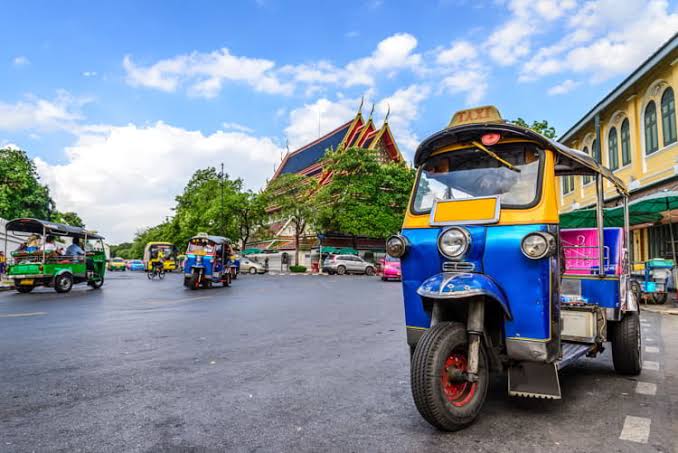
Airport Arrival
Bangkok's Suvarnabhumi and Don Mueang airports are large and well-signposted in English. Many reputable employers arrange an airport pickup; confirm this with your school before departure. If travelling independently, the Airport Rail Link (Suvarnabhumi) and public buses (Don Mueang) connect to central Bangkok affordably.
Health Check
A medical certificate is required for the work permit application. Your employer will direct you to an approved clinic. Tests typically include a blood test, chest X-ray, and general health assessment. Costs are low by international standards and the employer usually covers or reimburses this expense.
Work Permit (within 30 days)
Your employer submits the work permit application to the local Department of Employment office within 30 days of your arrival in Thailand. Required documents include your degree certificate, passport, health certificate, and employer documentation. You must not begin teaching until the work permit is issued or a receipt confirming submission is provided.
Teachers' Council Registration (Khurusapha)
Required for all foreign teachers at government and licensed private schools. A provisional licence is issued while the full Khurusapha licence is processed, which typically takes three to six months. Your school's administration will guide the application; keep certified copies of your degree and criminal background check readily available.
Bank Account (Week 1–2)
Kasikorn Bank (KBank) and Bangkok Bank are the most foreigner-accessible options. Required documents are your passport and work permit (or employer documentation confirming the application is in progress). A Thai bank account is essential for salary, Grab pay, and QR code payments at markets and restaurants.
SIM Card
Available at the airport on arrival or at any AIS, DTAC, or TrueMove branch and most 7-Eleven stores. Passport required. Monthly plans offering generous data allowances are inexpensive; ฿200 to ฿400 per month is typical for unlimited or high-data plans.
90-Day Address Reporting
All non-immigrant visa holders must report their address to the Immigration Bureau every 90 days. This can be completed online via the Thai Immigration Bureau website, by post, or in person at the local immigration office. Your employer's administrative team will typically remind you when the deadline approaches.
Travel possibilities
Bangkok's two international airports, Suvarnabhumi and Don Mueang, serve as major regional hubs for budget carriers including AirAsia, Nok Air, and Thai Lion Air, connecting Thailand to destinations across Southeast Asia at consistently low fares. Thailand's domestic network is extensive, with frequent affordable flights linking Bangkok to Chiang Mai, Phuket, and the northeast.
Domestic travel
Thailand's geography spans tropical beaches, ancient capitals, highland national parks, and remote northern mountains, offering extraordinary variety within the country itself.

- Thailand's ancient capital, less than 90 minutes by train from Bangkok; UNESCO-listed temple ruins, riverside cycling routes, and a tangible sense of history.

- Thailand's oldest national park, three hours from Bangkok; waterfalls, wildlife, jungle trails, and cool highland temperatures ideal for weekend escapes.

- Northern Thailand's quieter cultural city, home to the White Temple and Blue Temple, gateway to the Golden Triangle, and a relaxed base for the far north.
International travel
Thailand's central position in Southeast Asia makes regional travel easy and inexpensive, with short-haul budget flights connecting Bangkok to destinations across the region.
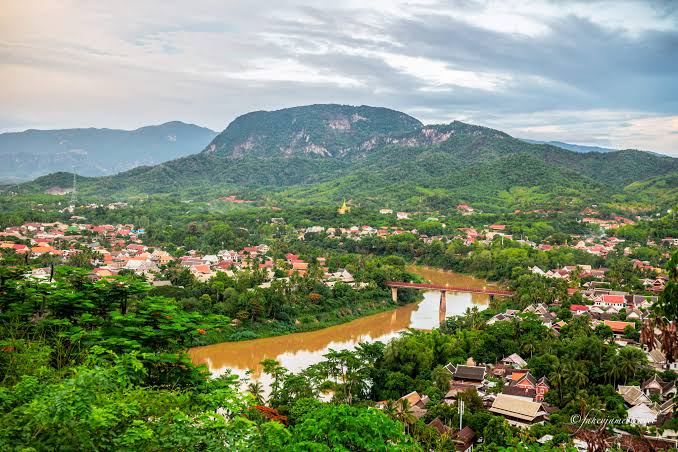
- Historic temples, river views, French colonial architecture, and waterfalls in one of Southeast Asia's most atmospheric small cities.
- From ฿2,500 return
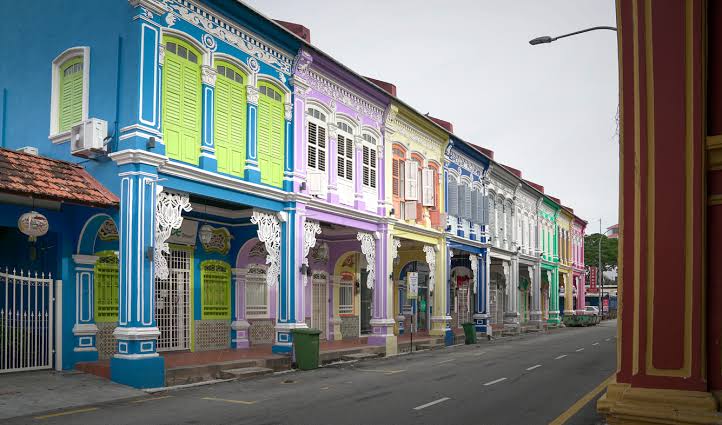
- World-famous street food, colourful heritage districts, and a vibrant arts and café culture just over the border.
- From ฿2,000 return
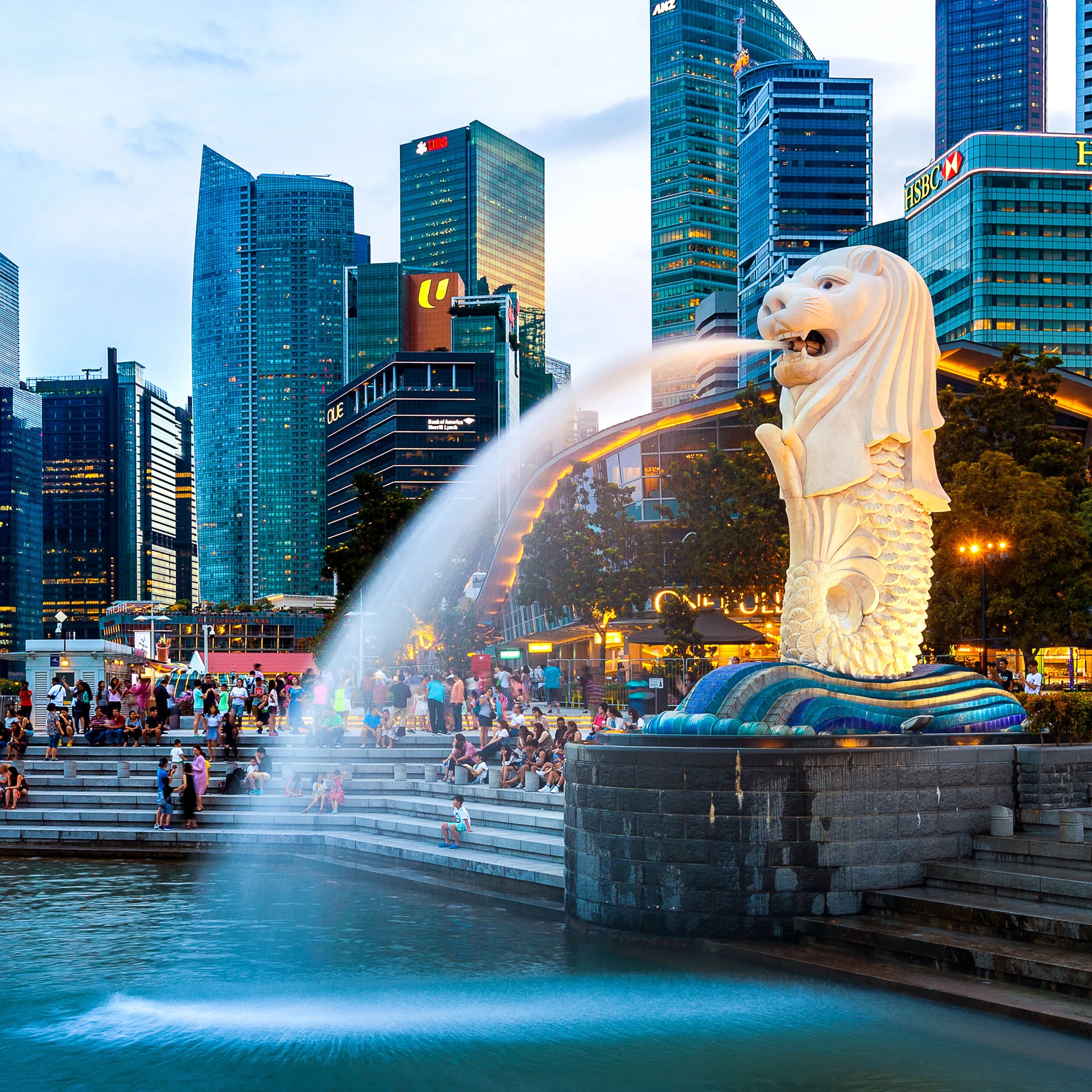
- Iconic skyline, outstanding food scene, clean and efficient city infrastructure, and a major regional hub for onward connections.
- From ฿3,500 return
Daily life and practical tips
- →LINE is Thailand's dominant messaging app, used for personal communication, school administration, bill payments, and customer service. Essential from day one.
- →Grab Food / LINE MAN / Foodpanda are the three main food delivery platforms, all operating in Bangkok and the major cities with fast turnaround and wide restaurant coverage.
- →Grab / Bolt are the main ride-hailing apps for cars; motorbike taxis via Grab are also available and useful for short urban journeys. Bolt has expanded strongly across Bangkok.
- →State Railway app / Traveloka / Trip.com cover domestic train bookings and regional flights; Traveloka and Trip.com also handle hotel reservations and bus tickets across the region.
- →Leaving Thailand without a re-entry permit while your work permit is active will cancel the work permit; always check with your employer's administration team before any international trip.
- →Bangkok and Chiang Mai both have large, well-organised expat communities with active social events, sports leagues, and online groups that ease the transition considerably for new arrivals.
- →Reputable recruitment agencies working in Thailand do not charge fees to teachers; if an agency asks for an upfront payment, treat this as a clear warning sign.
- →The hot season (March to May) reaches 36 to 40°C in Bangkok; most teachers find the first hot season the hardest adjustment, and air conditioning is essential rather than optional during this period.
Lotus's (formerly Tesco Lotus), Big C and Tops are the main supermarket chains found across Bangkok and the major cities, stocking imported and local produce alongside household goods at very affordable prices.
Phrase book for daily life
Thai is a tonal language written in its own script, making it one of the more challenging languages for newcomers to read and write quickly. The romanisations below reflect common transcription conventions; adding ka (for women) or krap (for men) to the end of most phrases makes them appropriately polite in almost any context.
Jobs in Thailand
Browse current teaching and language education positions available in Thailand.
View PositionsAny businesses, organisations, schools, banks, apps, or services mentioned in this guide are included for informational purposes only. EastRecruit is not affiliated with, endorsed by, or in partnership with any of them.