Overview
South Korea is one of the most structured and financially rewarding destinations in Asia for English language teachers. The combination of a government-backed public school programme, a massive private academy sector, and a growing international school market creates a varied landscape suited to teachers at every career stage. The package model — free furnished housing, return airfare, severance pay, and pension refund — makes Korea one of the highest net-savings destinations on the continent, particularly for early-career teachers. The E-2 teaching visa is restricted to citizens of seven countries (USA, UK, Canada, Australia, New Zealand, Ireland, and South Africa), which is a hard legal requirement.
Types of schools and institutions
EPIK is South Korea's largest government-sponsored public school placement scheme, placing foreign English teachers nationwide to work alongside Korean co-teachers. The programme offers predictable Monday to Friday hours, a structured benefits package including free housing, return airfare, severance pay, and National Pension enrolment, and is the benchmark entry route for teachers targeting Korea's public sector.
- ✓Bachelor's degree (any subject)
- ✓120-hour TEFL/TESOL certificate
- ✓Citizenship from one of seven E-2 eligible countries
- ✓Clean apostilled background check
Hagwons are South Korea's private educational academies and represent the largest employment sector for foreign English teachers in the country, with over 80,000 operating nationwide. They serve students of all ages outside regular school hours, typically on afternoon and evening schedules. Salaries are generally higher than EPIK, with free housing and severance standard at reputable schools.
- ✓Bachelor's degree
- ✓120-hour TEFL/TESOL
- ✓E-2 visa eligibility
- ✓Strong vetting of each school before signing recommended
Korea's international school sector is concentrated in Seoul, Gyeonggi-do, and Busan, serving expatriate and Korean families seeking international curricula. The top schools operate at standards equivalent to the best international schools in Asia. Entry is competitive and requires a recognised home-country teaching licence.
- ✓Recognised home country teaching licence
- ✓2 to 5+ years' classroom experience
- ✓IB training valued
- ✓Subject specialism at secondary level
South Korea's university market for foreign English lecturers is large and competitive, offering lighter teaching loads, regular weekday hours, longer holidays, and the prestige of an academic appointment. Most positions are on fixed-term contracts of one to three years, renewable. The E-1 visa covers university lecturer positions specifically.
- ✓MA minimum for lecturer positions
- ✓PhD increasingly required for career advancement
- ✓University-level teaching experience
South Korea's large multinational corporate sector generates consistent demand for business English training, with major employers including Samsung, LG, Hyundai, and SK. Employed corporate trainers work for specialist training companies; freelance work requires an F-class visa as the E-2 does not permit self-employment.
- ✓Professional business background
- ✓Business communication expertise beyond general ELT
- ✓F-class visa required for independent freelance operation
Visa and work permit
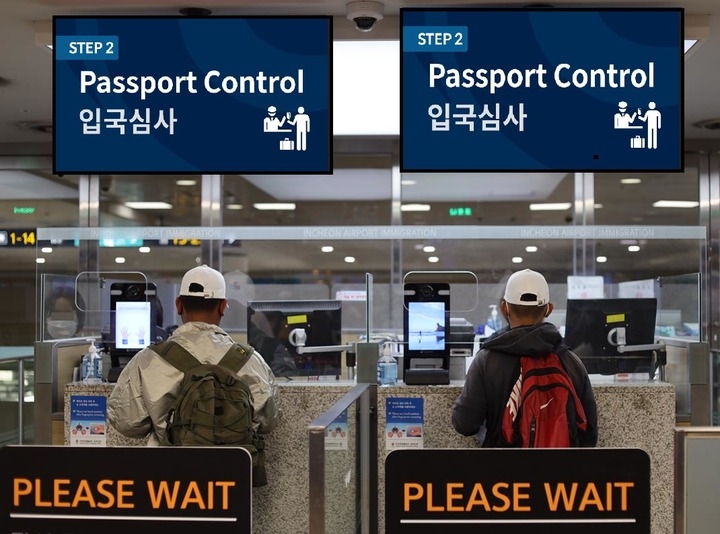
The E-2 visa is the standard route for foreign English teachers in South Korea and is processed by the employer before arrival. It is tied to a specific employer, which means changing schools requires a new visa process. Understanding the requirements and restrictions before committing to a move is essential.
- 1The E-2 visa is restricted to citizens of seven countries: USA, UK, Canada, Australia, New Zealand, Ireland, and South Africa; there are no exceptions, and naturalised citizens of these countries do qualify
- 2A bachelor's degree from an accredited university is a non-negotiable requirement, along with a 120-hour TEFL or TESOL certificate for most public and private school roles
- 3A clean national criminal background check, apostilled rather than legalised, is required; US applicants use the FBI process and UK applicants use the ACRO service, and both typically take several weeks
- 4All E-2 visa holders must complete a medical examination at a designated Korean hospital within 30 days of arrival, covering TB, HIV, and a drug test
- 5International school teachers require a full recognised home country teaching licence and a minimum of two to three years of classroom experience; the E-7 specialist visa provides an alternative route for nationalities not covered by the E-2
Hiring season
South Korea operates two main academic intake cycles: March and September. The public school sector, including EPIK and SMOE, predominantly starts in March, with applications opening in October and closing in January. Many hagwons recruit year-round on a rolling basis and can onboard teachers within six to eight weeks of application. The international school sector follows a global calendar, with the peak hiring window running from October to March for August or September starts. Applying early in each window improves placement quality and location options.
Career progression
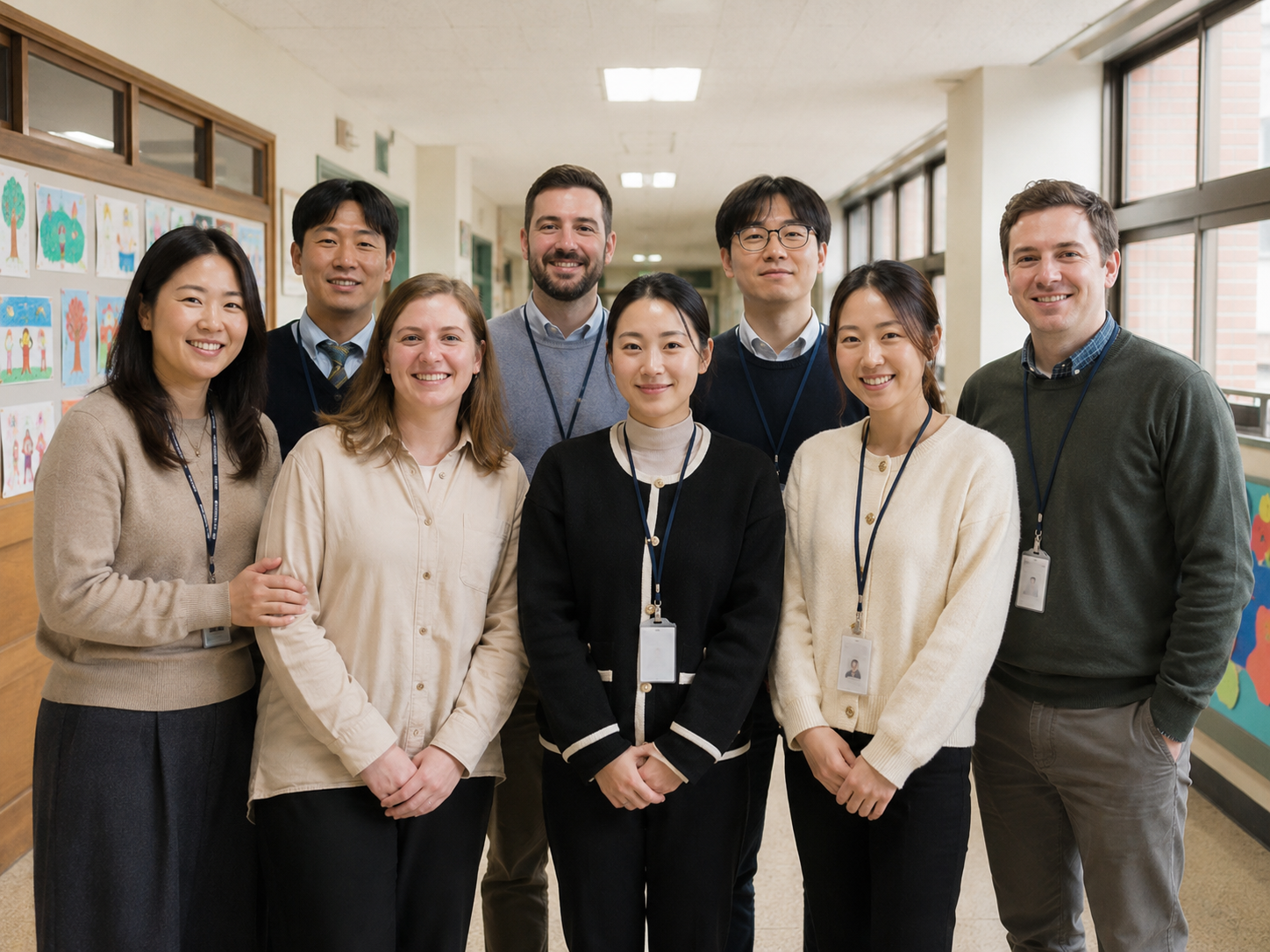
Korea rewards credential accumulation and demonstrated performance. The routes diverge significantly depending on which sector you enter and which qualifications you acquire in the early years. Typical career progression in South Korea can be seen as:
Stage
What it looks like
Entry
Year 1
EPIK or hagwon placement; build classroom skills, adapt to Korean working culture, and establish savings habits using the housing and severance advantages
Consolidation
Years 2 to 3
Renewal with pay increase at the same school or a stronger hagwon, or move to a university role with better work-life balance
Specialisation
Years 3 to 5
International school entry with a recognised teaching licence, or move into teacher training, curriculum coordination, or corporate English training
Senior roles
Year 5 onwards
Head Teacher or Curriculum Coordinator; many move into TESOL teacher training, further academic study, or senior international school leadership
A day in the life
James is a 34-year-old from Edinburgh who spent a decade teaching secondary school in the UK before deciding he wanted more than the familiar. Busan wasn't on his radar at first, but two contract renewals later, he has no plans to leave.

A typical day
| 6:00am | Early start, a short run or outdoor exercise before getting ready for the day. |
| 7:00am | Breakfast at home, then a short commute to school. |
| 7:45am | Arrives at school, reviews the department's weekly schedule and gets ahead on some pending assessment moderation before the staff room fills up. |
| 8:15am | Briefing with the English department team, setting priorities for the week. With an inspection coming up soon, there's an added focus on getting curriculum documentation in order. |
| 8:45am to 3:00pm | Teaching timetable mixed with department administration: lesson observations, curriculum planning, and covering senior English classes. A busy day often means a mix of general classes, an observation of a newer teacher, and a senior class working through exam texts. |
| 12:00pm | Lunch in the staff room, usually a simple Korean set meal from the school cafeteria, and a decent chance to actually switch off for twenty minutes. |
| 3:15pm | After-school meetings with school leadership on curriculum standards and upcoming inspections, useful for seeing what the school's actually prioritising beyond the classroom. |
| 4:00pm | Coaches or supports the school's soccer training sessions most afternoons, a role he's taken on alongside his teaching duties, and a nice change of pace from the classroom. |
| 5:30pm | Heads home, sometimes joining a five-a-side game with other teachers at a local pitch first. |
| 7:00pm | Dinner, sometimes a Korean barbecue or bowl of noodles, or a simple home-cooked meal, depending on the day. |
| 8:30pm | Evening downtime, catching up with news or friends, or just watching TV or a movie. |
Taxes
South Korea uses a progressive income tax system withheld by the employer monthly and reconciled in an annual settlement. Most E-2 teachers fall in the 6% to 15% marginal bracket, but effective rates are significantly lower due to the personal deduction.
The National Pension Scheme (NPS) and National Health Insurance (NHI) contributions are deducted directly from salary. American and Canadian nationals are entitled to a full NPS refund on departure from Korea, which can represent a meaningful lump sum at the end of a one- or two-year contract. Confirm your eligibility with your employer before departure to initiate the refund process.
Cost of living
South Korea runs more expensive than Southeast Asia and broadly comparable with parts of Western Europe, particularly in Seoul. However, the standard package model — free furnished housing, return airfare reimbursement, and a severance bonus on contract completion — materially offsets this. Teachers with free housing typically save more in Korea than in markets with higher nominal salaries but no housing benefit.
Life in South Korea

Housing and renting
The majority of EPIK and hagwon placements include free furnished housing as a standard contract benefit, eliminating the largest cost item faced by teachers in most other markets. Where a housing stipend is offered instead of direct provision, the amount typically ranges from ₩300,000 to ₩500,000 per month, which partially offsets rent in smaller cities but covers less in Seoul. Independent renters in Korea encounter the jeonse (lump-sum deposit lease) and wolse (monthly rent with a smaller deposit) systems; foreigners on short contracts almost always use wolse. Naver Real Estate and Zigbang are the main property search platforms, and local hagwon recruiters often assist with finding apartments. Always verify the housing arrangement in writing before signing an employment contract.
Useful Platforms for House Hunting
Zigbang (직방) and Dabang (다방) are widely used for rental searches. Local real estate agents (부동산) near your preferred area can also help you find available homes.

Quality of life and where to live
South Korea is modern, safe, and exceptionally well-connected by public transport. Quality of life varies by city, with Seoul offering the widest range of international amenities and the deepest social infrastructure for foreign teachers.
- Seoul:Capital and by far the largest city, with the deepest international school market, the widest range of nightlife, food, and cultural activity, and the highest concentration of English-speaking infrastructure
- Busan:South Korea's second city, on the coast, with a more relaxed pace than Seoul, strong beaches and seafood culture, a large EPIK placement cohort, and lower cost of living
- Incheon:Directly connected to Seoul by metro, home to Incheon International Airport, and a growing hub for English education with lower rents than the capital
- Regional / EPIK placements:Quieter provincial cities and rural areas; cost of living is significantly lower, savings potential is high, and the cultural immersion experience is deeper, though social infrastructure for foreigners is thinner
Healthcare
South Korea has an excellent national health system. All E-2 visa holders are enrolled in National Health Insurance (NHI) from the start of employment, with the premium split evenly between employer and employee. Public hospitals and clinics are affordable with NHI coverage: a standard GP consultation typically costs ₩3,000 to ₩10,000 after the rebate, and most prescription medications are inexpensive. English-speaking international clinics are widely available in Seoul and Busan. Dental care is partially covered by NHI, but complex or cosmetic procedures are private-pay. Supplementary private health insurance is available but not standard in most teaching packages outside the international school sector.
Banking
KEB Hana Bank, Woori Bank, and KB Kookmin Bank are the most foreigner-accessible options and are used by the majority of foreign teachers in Korea. Opening an account requires an Alien Registration Card (ARC), though some branches accept the ARC application receipt as a temporary substitute in the first weeks. Salary is paid directly into the Korean account. International wire transfers are straightforward: KEB Hana's One Bank app is widely used by foreign teachers for sending money home due to its low fees and English-language interface. The T-Money transport card, loaded at any convenience store, covers all public transport in Seoul and most major cities and is the easiest way to get around before banking is sorted.
First Weeks: Step by Step
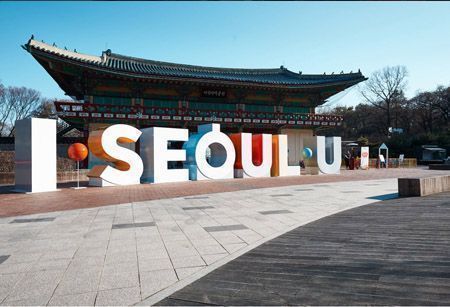
Airport Arrival
EPIK and most hagwons arrange an airport pickup at Incheon or Gimpo. Confirm the arrangement before departure and have your school contact number accessible on arrival.
Alien Registration Card (within 90 days)
Register at your local immigration office to receive your ARC. Required documents: passport, E-2 visa, employment contract, passport-sized photos, and your apostilled degree and background check. The ARC is your primary identity document in Korea.
Health Check
All E-2 visa holders must complete a medical examination at a designated hospital, covering TB, HIV, and a drug test. Your school will direct you to the correct facility and usually covers the cost.
Bank Account (Week 1–2)
Open a Korean bank account with KEB Hana, Woori, or KB Kookmin — the most foreigner-accessible banks. Your ARC or ARC application receipt is typically required. This is needed for salary and international transfers.
SIM Card
Full SIM contracts with KT, SKT, or LG U+ require your ARC. In the meantime, prepaid SIMs are available from convenience stores and airport kiosks, providing immediate connectivity.
National Pension and Health Insurance Enrolment
Your employer automatically enrols you in both schemes. US and Canadian nationals can apply for a National Pension refund on departure — keep records of contributions throughout your contract.
Housing Move-In
Most EPIK and hagwon placements provide furnished housing directly or a housing stipend. Your school or local agent will assist with the move-in process and utility setup.
Travel possibilities and average costs
South Korea's domestic transport network is fast, clean, and affordable. The KTX high-speed rail connects Seoul to Busan in under two and a half hours. Budget airlines including Air Busan, Jeju Air, and T'way Air make domestic and regional international flights inexpensive. The country's location in Northeast Asia gives direct access to Japan, China, and Southeast Asia at low cost.
Domestic travel
South Korea offers much more than Seoul. Fast trains connect historic cities, coastal regions, mountain parks, and traditional villages perfect for weekend adventures.
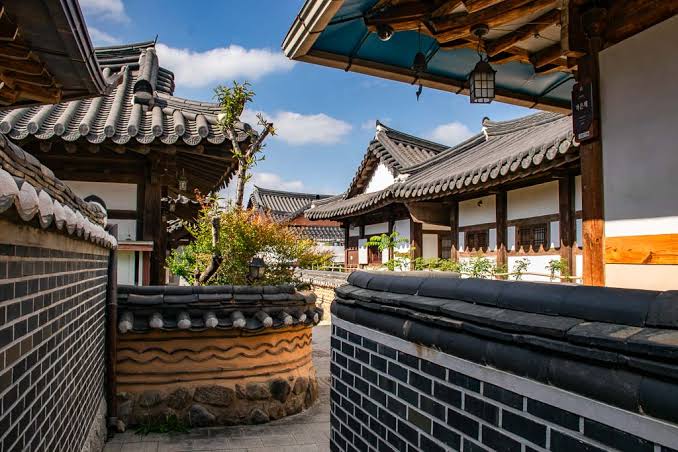
- Traditional hanok village, famous bibimbap, cultural festivals, and preserved Korean heritage.
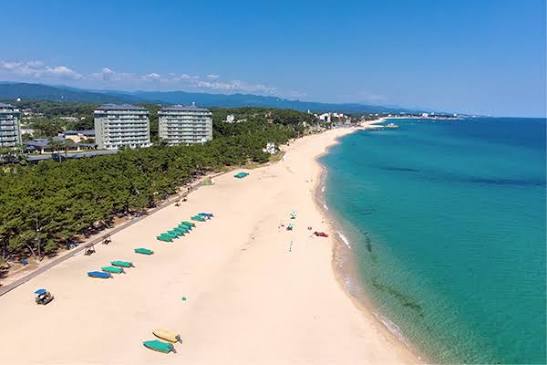
- A relaxed coastal city with cafés, pine forests, seafood markets, and beautiful beaches.
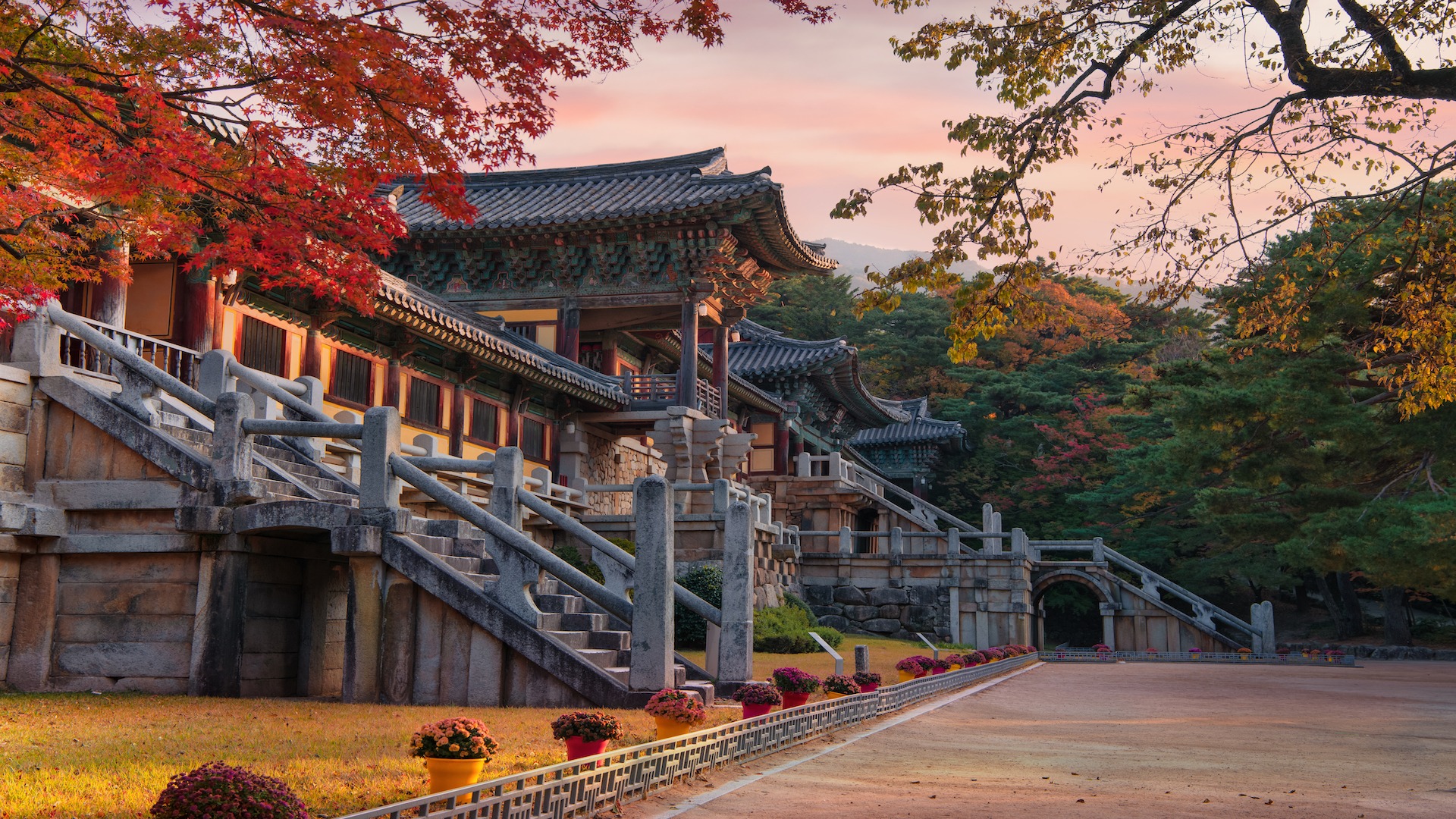
- Known as Korea's "museum without walls," filled with royal tombs, temples, and UNESCO World Heritage sites.
International travel
Located between Japan and China, South Korea has excellent access to neighbouring countries, making international weekend trips both affordable and convenient.
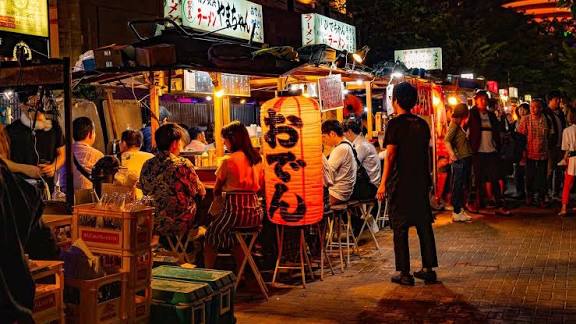
- Ramen culture, shopping, waterfront parks, and historic shrines.
- ₩From 150,000 return
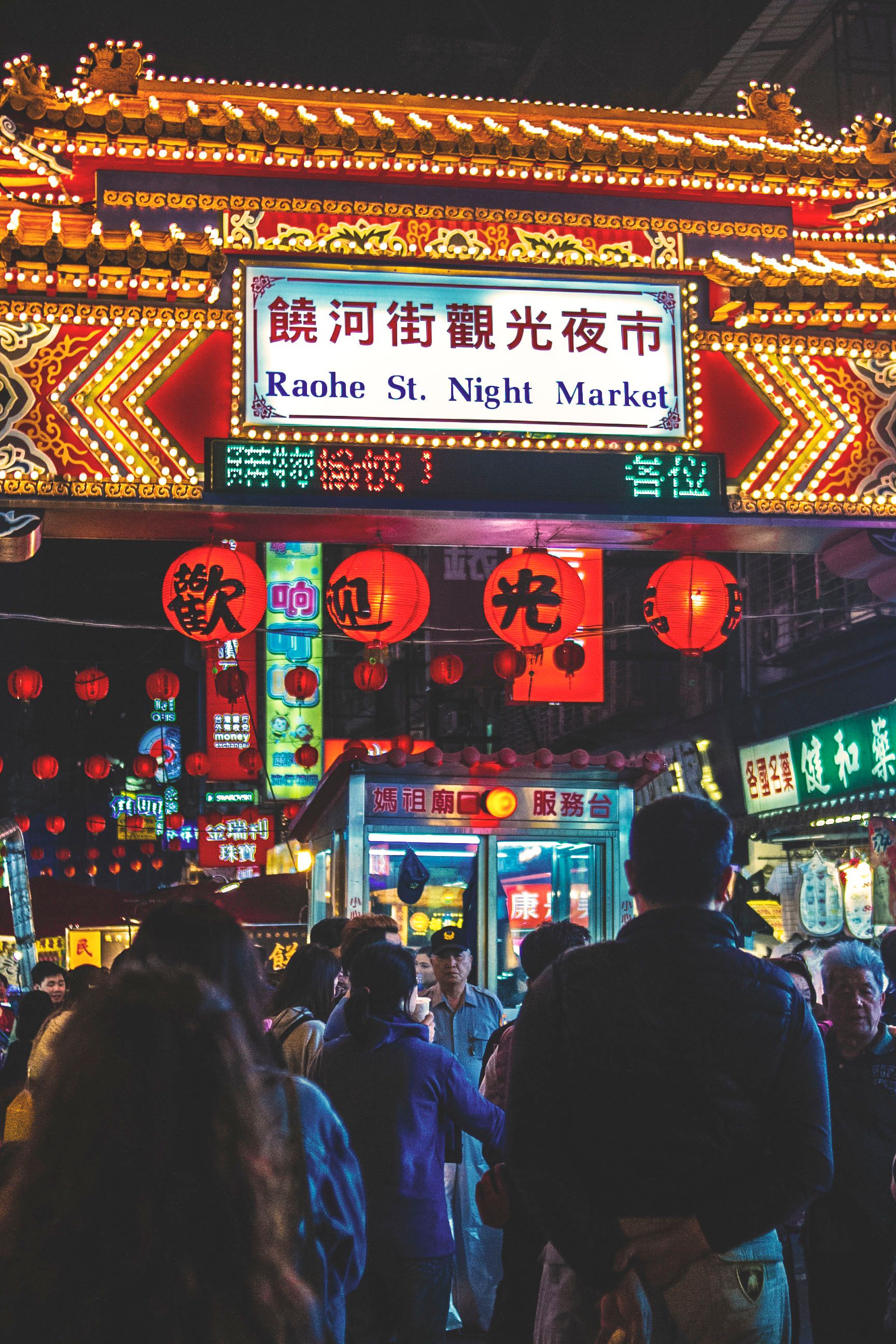
- Food markets, mountain scenery, temples, and modern city life.
- ₩From 250,000 return

- Historic towns, mountain scenery, beaches, and exceptional Vietnamese cuisine.
- ₩From 300,000 return
Daily life and practical tips
- →KakaoTalk is the default messaging platform in South Korea and the primary communication channel for school administration, social arrangements, and group coordination.
- →Baemin / Coupang Eats / Yogiyo are the three major food delivery apps covering restaurants, groceries, and convenience items, usually delivering within 30 to 45 minutes.
- →Kakao T is the main ride-hailing app, equivalent to DiDi or Grab, with fares paid directly through the app.
- →Korail / Naver Flight / Trip.com are the go-to platforms for booking trains, domestic flights, and regional international travel; Naver is the dominant local search engine and particularly useful for transport.
- →The E-2 teacher community in Korea is large and well-networked; Facebook groups, Kakao open chats, and Dave's ESL Café are the main gathering points for advice, secondhand goods, and social connections.
- →Checking a hagwon's reputation before signing is the single most important step: sites such as HagwonBlacklist.com and the Korea Blacklist Facebook aggregator compile reported problems with specific schools.
- →Free or highly subsidised housing is a key variable when comparing offers; a higher base salary at a school charging market rent may net less overall than a lower salary with free housing included.
- →Co-teaching dynamics vary widely in Korean public schools: some co-teachers are highly collaborative and supportive, while others are disengaged; building the relationship early makes a significant difference.
- →Major supermarkets include E-Mart, Homeplus, and Lotte Mart, with Coupang and Market Kurly strong for online delivery.
Phrase book for daily life

A handful of everyday phrases in Korean (romanised Hangul), useful from the first week.
Jobs in South Korea
Browse current teaching and language education positions available in South Korea.
View PositionsAny businesses, organisations, schools, banks, apps, or services mentioned in this guide are included for informational purposes only. EastRecruit is not affiliated with, endorsed by, or in partnership with any of them.