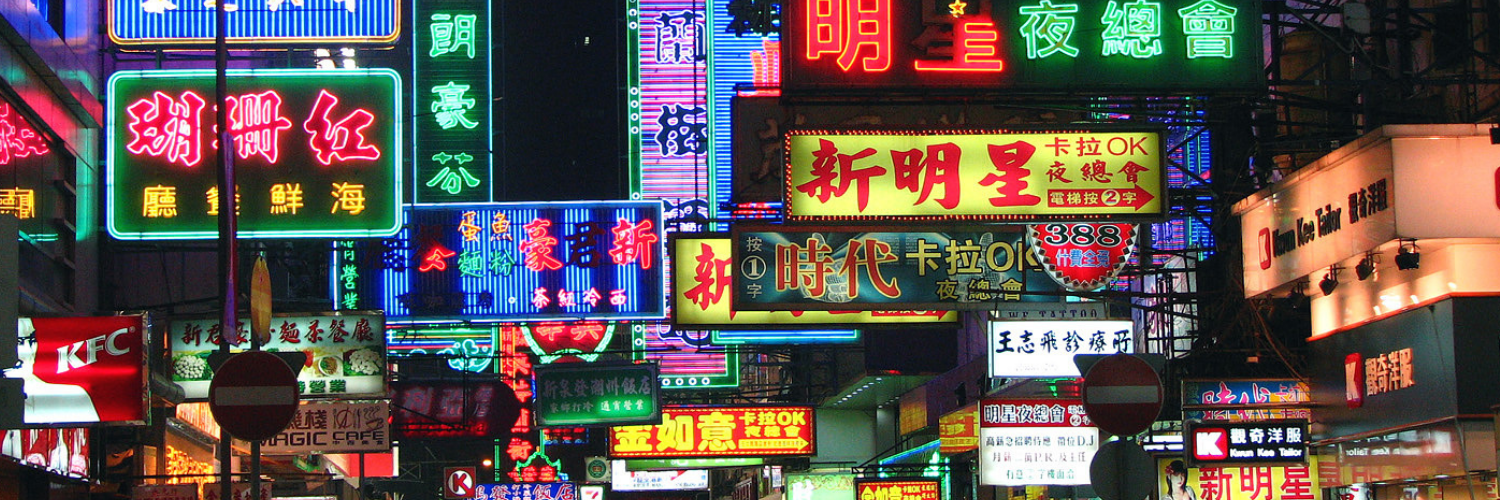

Overview
Hong Kong is one of Asia's most distinctive teaching markets: a compact, cosmopolitan city with an official English language policy, a government-run scheme specifically designed to place foreign educators in local schools, and an international school sector that is among the most professionally demanding and well-compensated on the continent. As a Special Administrative Region of China, Hong Kong operates under its own legal and educational frameworks, with English functioning as a genuine medium of instruction and professional life rather than a policy aspiration — a structural difference that shapes every aspect of the market, from entry requirements through to daily classroom experience.
Types of schools and institutions
The Native-speaking English Teacher (NET) Scheme is the Hong Kong government's flagship programme for placing qualified foreign educators in local primary and secondary schools. Administered by the Education Bureau (EDB), it provides strong employment terms, a housing allowance for overseas hires, and a 15% end-of-contract gratuity — making it one of the most financially structured public school schemes in Asia.
- ✓Bachelor's degree
- ✓TEFL certificate
- ✓Two-year commitment
Private language schools and tutorial centres serve learners across the full age range, from young learners to professional adults. Major operators include Berlitz and Wall Street English, alongside smaller local chains. These positions are accessible year-round without a formal teaching licence, though salaries sit below the NET scheme.
- ✓Bachelor's degree
- ✓Relevant teaching experience
Hong Kong's international school sector is one of the most developed and professionally demanding in Asia, covering British, American, IB, Australian, and other curricula. Top-tier schools such as ESF, HKIS, and CIS recruit globally and offer comprehensive packages including housing allowances, return airfare, and dependant tuition benefit.
- ✓Recognised home country teaching licence
- ✓2+ years' experience
- ✓IB or curriculum-specific training valued at the strongest schools
Hong Kong's world-ranked universities — including HKU, HKUST, CUHK, and City University — actively recruit foreign academics and English lecturers. University positions offer lighter teaching loads and strong research environments. Fixed-term EFL lecturing posts are accessible with a master's degree; tenure-track roles require a PhD and research output.
- ✓MA or PhD generally preferred for language centre or lecturer roles at Hong Kong's UGC-funded universities
Hong Kong's position as Asia's leading financial centre creates steady demand for business English training at executive and professional level, concentrated in Central, Admiralty, and Wan Chai. Trainers work either for specialist training companies or as established freelancers, with standard business hours a lifestyle advantage over school-based schedules.
- ✓Professional experience and strong business English generally expected, given the concentration of finance and multinational clients
Visa and work permit
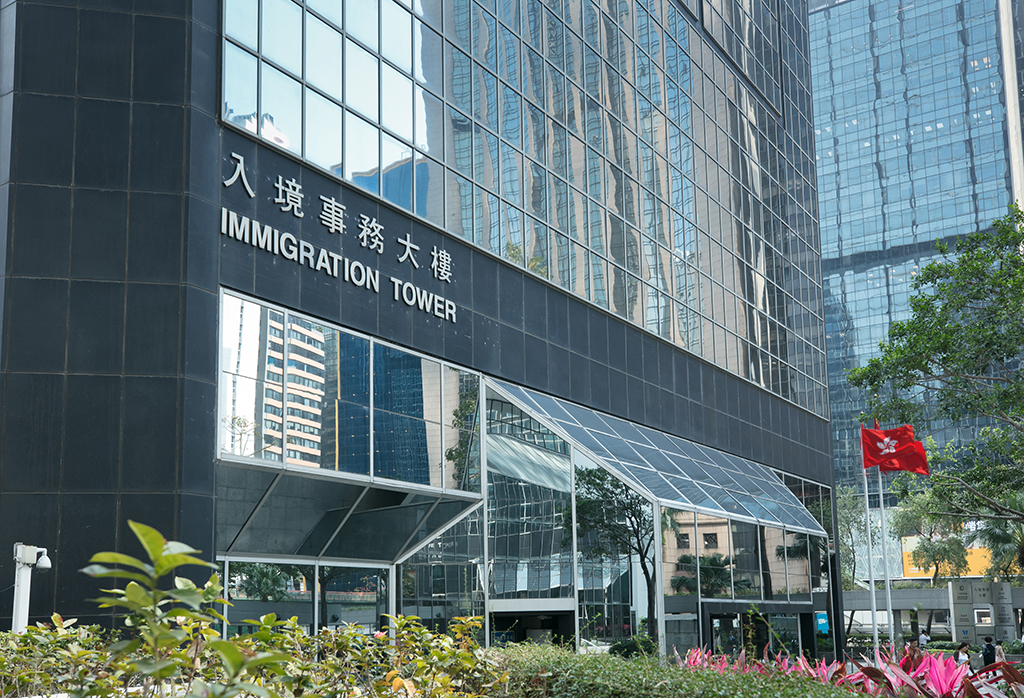
The primary route for most foreign teachers is the employment visa under the General Employment Policy (GEP), which requires sponsorship from a Hong Kong employer and assessment by the Immigration Department on qualifications, experience, and whether the role can be filled locally. Unlike China, there is no separate work permit — the right to work is conferred by the employment visa itself, and the process is typically managed by the employer's HR department.
- 1A bachelor's degree is a baseline requirement; for NET Scheme secondary positions, a recognised teaching qualification is mandatory from 2025/26 onward
- 2The employment visa is usually granted for the duration of the first contract (typically two years for NET Scheme placements) and must be renewed or extended if you continue beyond that period or change employer
- 3NET Scheme applications are handled centrally by the Education Bureau; teachers do not apply to individual schools, and the EDB manages placement and visa sponsorship
- 4Hong Kong has no nationality restriction equivalent to Japan's or Korea's visa nationality lists — teachers from a broader range of countries can qualify provided they meet the educational and language requirements
- 5International school roles are typically sponsored directly by the institution; the process is straightforward for candidates with a recognised teaching licence and an employer offering a formal contract
Hiring season
Hong Kong's academic year runs September to June or July. The NET Scheme recruits on an annual cycle with applications typically opening in January and closing in April for an August start. International schools follow a longer lead time: the strongest institutions begin recruiting 10 to 14 months ahead, making November through March the primary hiring window for the following August or September. Private language centres recruit year-round, with peak activity around June and July as schools plan for September reopening.
Career progression
Hong Kong's education market rewards those who invest in qualifications and build a sustained track record within the sector. The progression path typically moves from an entry point in the NET scheme or at an international school, through curriculum or pastoral leadership, toward senior leadership roles at the city's most prestigious institutions. Typical career progression in Hong Kong can be seen as:
Stage
What it looks like
Entry
Years 1 to 2
NET scheme placement or an entry-level international school post while building local experience and a curriculum specialism
International school consolidation
Years 2 to 5
Move into or progress within a mainstream international school, often adding an IB or curriculum-specific qualification
Middle leadership
Years 5 to 8
Head of Department, Key Stage Coordinator or Head of Year roles, with curriculum and pastoral responsibility
Senior leadership
Year 8 onwards
Deputy Head or Head of School roles, particularly at the larger ESF and premium international school groups
Taxes
Hong Kong's Salaries Tax system is one of the simplest and most favourable in the world for earners at teacher income levels. The tax authority (Inland Revenue Department) calculates liability under two methods and applies whichever produces the lower bill — either the progressive rate schedule or a flat standard rate applied to net chargeable income.
Salaries Tax is calculated both ways and the taxpayer pays whichever is lower, and there is no separate expatriate tax regime; foreigners are taxed identically to local residents on Hong Kong-sourced income.
Cost of living
Hong Kong is consistently ranked among the most expensive cities in the world, and the reality matches that reputation. Rent is the defining cost: a one-bedroom apartment in a central location can consume the majority of an unassisted salary. The financial picture shifts substantially with a housing allowance or employer-provided accommodation, which is why this is the single most important variable to assess in any Hong Kong offer.
Life in Hong Kong
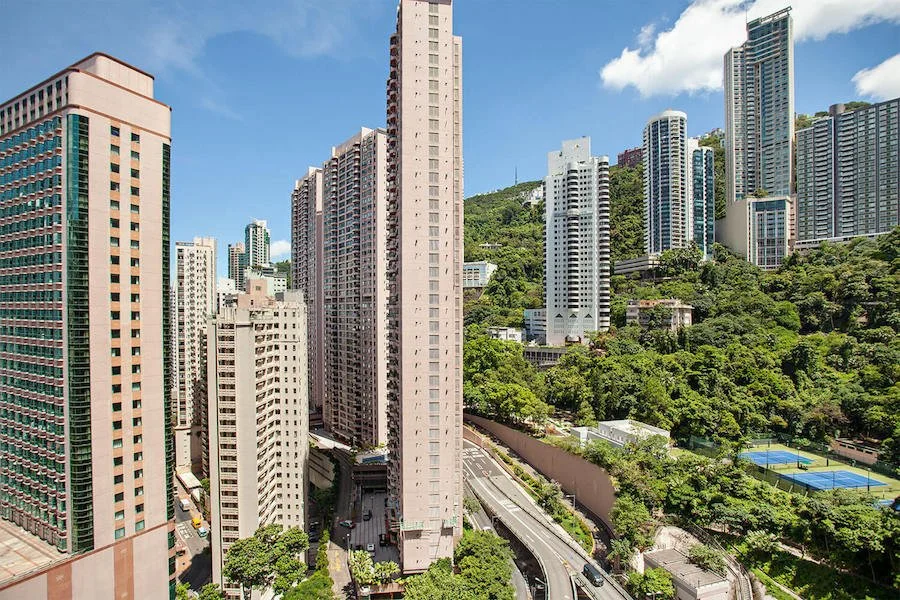
Housing and renting
Renting in Hong Kong typically goes through an estate agency rather than directly with a landlord. Midland Realty, Centaline, and Ricacorp are the three largest agencies and operate extensively across the city; all have English-language services and are the most practical starting point for newly arrived teachers. A standard tenancy requires two months' rent as a deposit and a stamp duty fee. Many international schools and the NET Scheme include a housing allowance or subsidised accommodation as part of the package — always clarify this at the offer stage, as the difference is decisive for overall financial comfort. Teachers looking for lower rents or more space typically look beyond Hong Kong Island into areas such as Discovery Bay on Lantau, Sai Kung in the New Territories, or the South Side, all of which offer a noticeably different pace of life while remaining connected to the city.
Useful Platforms for House Hunting
Spacious.hk and Squarefoot.com.hk are useful rental search platforms. The "Expats in Hong Kong Housing" Facebook group can also help with listings and local advice.

Quality of life and where to live
Hong Kong offers a quality of life that is hard to match in Asia: exceptional public transport, world-class food and dining, outstanding hiking and green space within minutes of dense urban areas, and a medical system that is both high quality and highly accessible. Safety is excellent, English functions well in daily life at a professional level, and the international community is large and well-established.
- Hong Kong Island (Central, Wan Chai, South Side):The commercial and cultural heart of the city; Central and Wan Chai for professional and social life, the South Side for a quieter, more residential feel with coastal access
- Kowloon (Tsim Sha Tsui, Kowloon Tong):Denser and more local in character than Hong Kong Island; well connected by MTR, with strong dining and shopping options and generally lower rents than equivalent Island locations
- Discovery Bay and Sai Kung:Popular with international school teachers for more space and a slower pace; Discovery Bay is a car-free residential community on Lantau, while Sai Kung offers access to country parks and coastal living
Healthcare
Hong Kong has a dual-track healthcare system: a highly subsidised public sector and a well-developed private sector. Public hospitals are of a high standard and available to all residents at nominal cost, though waiting times for non-emergency care can be long. Private clinics and hospitals offer faster access and English-language services, and most international school packages include private health insurance as a standard benefit. NET Scheme teachers receive basic medical insurance as part of their contract. Teachers at language centres should verify coverage at the offer stage; private insurance is affordable and strongly recommended.
Banking
HSBC, Standard Chartered, Bank of China (Hong Kong), and Hang Seng Bank are the most accessible options for newly arrived teachers, all with English-language services and branch networks across the city. Opening an account typically requires a passport, employment visa, proof of address, and an employer letter. The Mandatory Provident Fund (MPF) is Hong Kong's compulsory retirement savings scheme; your employer must enrol you within 60 days of starting work, with both employer and employee contributing 5% of monthly salary up to the relevant cap.
First Weeks: Step by Step
Airport Arrival
HKIA is large and easy to navigate in English. Your school may arrange pickup for NET scheme or international school placements; confirm before departure.
Hong Kong ID Card (within 30 days)
Register for your Hong Kong Identity Card at the Immigration Department once you've arrived on your employment visa. This is your primary identity document for anyone staying longer than 180 days.
Health Check
Not always mandatory, but many international schools require a medical certificate as part of onboarding. Your employer will advise if this applies to you.
Bank Account (Week 1–2)
Open an account with HSBC, Standard Chartered, Bank of China (Hong Kong), or Hang Seng Bank. Required: passport, visa, proof of address, and an employer letter.
Octopus Card
Pick one up immediately at any MTR station or convenience store. It covers trains, buses, ferries, and payment at most shops and cafes, and is essential from day one.
SIM Card
Purchase from CSL, SmarTone, China Mobile Hong Kong, or 3 HK at any branch; passport required. Prepaid tourist SIMs are available on arrival at the airport if you need connectivity immediately.
MPF Enrolment
Your employer must enrol you in the Mandatory Provident Fund (MPF), Hong Kong's compulsory retirement savings scheme, within the first 60 days of employment.
Travel possibilities and average costs
Domestic areas
Hong Kong might be small, but there is plenty to do and lots of opportunities for quick day trips around Hong Kong. Some favourite spots include:

- Home to the Big Buddha (Tian Tan Buddha) and Po Lin Monastery, reached by cable car or bus, plus the fishing village of Tai O

- Coastal country park known as Hong Kong's "back garden," with hiking trails, beaches, and boat trips to nearby islands

- A small, car-free outlying island a short ferry ride from Central, popular for its beaches, seafood, and relaxed pace
International travel
With one of the best-connected hubs in the world, HKIA gives you endless travel opportunities throughout Asia. And it doesn't just stop at the airport, Hong Kong is connected to several other locations around the Greater Bay area too. Favourite destinations include:

- Culture, food, history, and sightseeing
- $From HKD 2,500 return

- Historic, glamorous, compact, and mix of cuisine
- $From HKD 380 return

- Tropical, laid-back, beach-friendly, affordable
- $From HKD 1,500 return
Daily life and practical tips
- →WhatsApp is the dominant messaging platform for professional and social communication in Hong Kong — far more so than WeChat. School communication, flat-hunting, and social arrangements all run through it.
- →Foodpanda / Deliveroo are the two main food delivery platforms, covering the full range from local cha chaan teng food to international restaurant delivery. Both are widely used and operate across most of the city.
- →Uber / Octopus Uber operates normally in Hong Kong alongside traditional taxis. The Octopus app allows you to manage your Octopus card balance digitally and pay in-app at an expanding list of merchants.
- →Trip.com / Cathay Pacific / HK Express are the go-to platforms for booking regional flights. HK Express is Hong Kong's budget carrier with low-cost connections across Asia; Cathay Pacific covers premium and long-haul routes.
- →Get an Octopus card on your first day — it works on every form of public transport, in most convenience stores and supermarkets, and at an increasing number of restaurants and cafes. It is more useful than cash for daily life.
- →Hong Kong's MTR (Mass Transit Railway) is fast, clean, reliable, and cheap. It is almost always faster than a taxi for cross-district journeys and extends to all major residential and commercial areas.
- →Cantonese is the daily language of most Hong Kong residents. Learning even a handful of phrases — especially greetings, thank you, and basic directions — is well received and makes neighbourhood life significantly warmer.
- →Wet markets (street-level fresh food markets) are cheaper and fresher than supermarkets for produce, meat, and fish. Every district has one. Learning where yours is in the first week is worth the time.
- →Hong Kong's summers (June to September) are hot, humid, and subject to typhoon warnings. Know the T8 and T10 system — schools and businesses close above T8, and you should take these warnings seriously.
Phrase book for daily life

A handful of everyday phrases in Cantonese (Jyutping romanisation), useful from the first week.
Jobs in Hong Kong
Browse current teaching and language education positions available in Hong Kong.
View PositionsAny businesses, organisations, schools, banks, apps, or services mentioned in this guide are included for informational purposes only. EastRecruit is not affiliated with, endorsed by, or in partnership with any of them.