
Overview
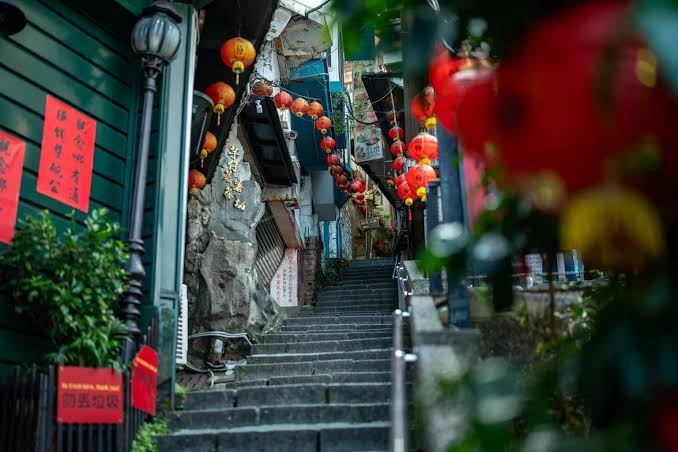
Taiwan has become one of the fastest-growing teaching markets in Asia, driven by the government's Bilingual 2030 policy, which is steadily expanding the number of foreign English teachers working in the public system. It pairs a low cost of living with a famously warm and welcoming culture, night markets, bubble tea, and a tight-knit expatriate teaching community.
Types of schools and institutions
The Foreign English Teacher (FET) and Foreign English Teaching Assistant (FETA) programmes are Taiwan's flagship government schemes for placing qualified foreign educators in public elementary and junior high schools across the island. Administered under the Taiwan Foreign English Teacher Programme (TFETP), placements come with a housing support allowance and a flight subsidy, making this one of the most structured and supported entry routes into the Taiwanese teaching market.
- ✓Bachelor's degree from an English-speaking country
- ✓120-hour TEFL/TESOL minimum
- ✓Native English speaker
Taiwan's buxiban sector is the largest employer of foreign English teachers, with over 20,000 private supplementary academies serving learners from preschool through university entrance preparation. These schools are the most accessible entry route for teachers without a formal teaching licence, recruiting year-round with peak activity in July and August ahead of the September academic year.
- ✓Bachelor's degree
- ✓120-hour TEFL/TESOL certificate
- ✓Native or near-native English proficiency
Taiwan's international school sector is concentrated primarily in Taipei and Hsinchu, home to major schools including Taipei American School (TAS), Taipei European School (TES), and Morrison Academy. These schools recruit globally and offer comprehensive packages. TAS is consistently cited as one of the best-compensated international schools in Asia; competition for positions is extremely high and experience requirements are significant.
- ✓Recognised home country teaching licence
- ✓2+ years' classroom experience (5+ years for TAS-tier schools)
- ✓IB or curriculum-specific training valued
Taiwan's world-ranked universities — including National Taiwan University (NTU), National Tsing Hua University, and National Yang Ming Chiao Tung University — actively recruit foreign academics and English lecturers. University positions offer lighter teaching loads and strong research environments. Fixed-term EFL lecturing posts are accessible with a master's degree; tenure-track roles require a PhD and research output.
- ✓MA in TESOL, Applied Linguistics, or related field for lecturing posts
- ✓PhD increasingly expected for faculty appointments
Taiwan's technology and export-driven economy — particularly in Hsinchu's semiconductor cluster — creates consistent demand for business English training at professional and executive level. Corporate trainers work either for specialist training companies or as established freelancers. Standard business hours are a lifestyle advantage over school-based schedules, and rates per hour are competitive.
- ✓Professional English communication experience
- ✓Business or industry background valued given the concentration of technology and multinational clients
Visa and work permit
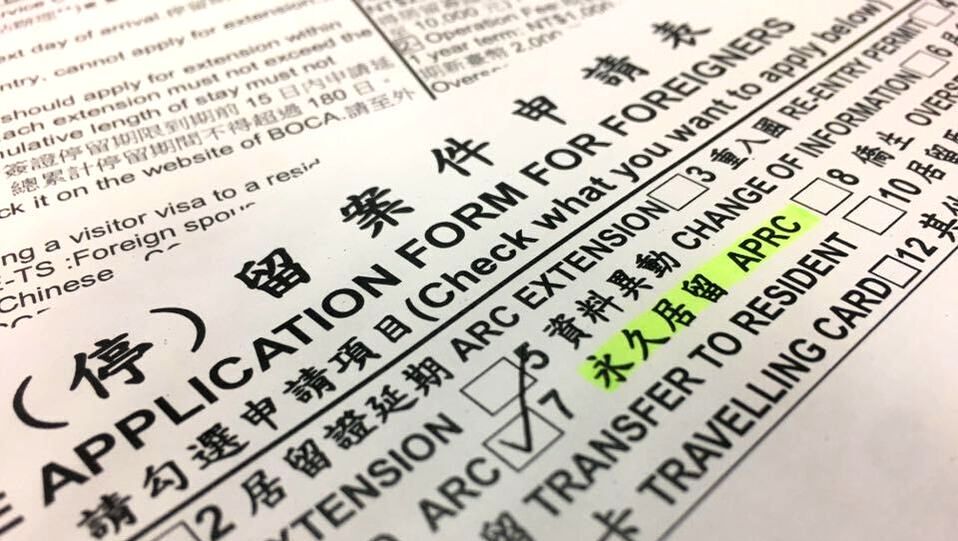
Foreign teachers work on an employer-sponsored work permit issued under the Employment Service Act, which then supports a resident visa and, after arrival, the Alien Resident Certificate (ARC) that serves as the primary form of identification for daily life.
- 1A bachelor's degree from an English-speaking country nationality is required for employer-sponsored work permit applications
- 2A 120-hour TEFL/TESOL certificate is the standard minimum; most schools and government programmes will not proceed without it
- 3The TFETP places FETs and FETAs across the island with housing support and a flight subsidy, making it the most structured entry route for newly qualified teachers
- 4The Employment Gold Card is available to senior professionals and combines a work permit, residency, and a partial tax exemption — a strong option for experienced educators at the upper end of the market
- 5The overall process from document authentication to ARC typically takes six to eight weeks from the point at which the employer submits the work permit application
Hiring season
Taiwan's academic year runs September to June or July. The government FET programme and most international schools hire for September starts, with international school recruitment beginning as early as November for the following August. Buxibans hire year-round, with the strongest window in July and August as the new school year approaches. For buxiban roles, arriving in Taiwan in person during this window is significantly more effective than applying from abroad.
Career progression
Taiwan's education market rewards consistent investment in qualifications and a sustained local track record. Typical career progression moves from an entry point in the government programme or buxiban sector, through private or international school consolidation, toward leadership roles at the island's most prestigious institutions:
Stage
What it looks like
Entry
Years 1–2
FET/FETA programme placement or buxiban role; build classroom hours, cultural familiarity, and Mandarin basics while completing or upgrading a TEFL qualification
Consolidation
Years 2–4
Move to a private school, a higher-paying buxiban chain, or secure an international school entry post once a recognised teaching licence is in hand
Middle leadership
Years 4–7
Head of Department or IB coordinator roles at an international school; an MA in Education or a curriculum specialism becomes the key differentiator
Senior leadership
Years 7+
Principal or Deputy Principal at Taiwan's top international schools, Associate Professor at NTU or peer universities, or senior corporate training director in the Hsinchu technology sector
Taxes
Taiwan operates a two-tier income tax system. Teachers spending fewer than 183 days in a calendar year are taxed at a flat 18% rate on all income. Once resident for 183 days or more, the progressive resident bands below apply — producing a substantially lower effective rate for most teacher salary levels.
Personal exemption and standard deduction apply when filing as a resident. Employment Gold Card holders receive a 50% income tax exemption on salary exceeding NT$3 million for up to five years.
Cost of living
Taiwan sits comfortably in the middle of the pack, noticeably cheaper than Japan or South Korea but a step above China or Vietnam. Taipei is the most expensive city but remains very affordable by Asian capital standards; Taichung, Kaohsiung, and Tainan offer a noticeably lower cost base with no meaningful reduction in quality of life.
Life in Taiwan
Housing and renting
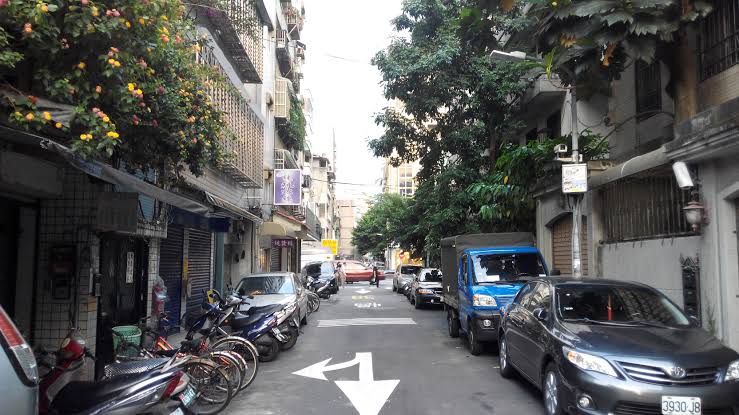
Unlike Korea, buxibans and language schools in Taiwan rarely provide free housing. Teachers arrange their own rental accommodation, typically through 591.com.tw, Taiwan's primary rental portal, or through Facebook groups such as Taipei Apartments for Rent. A deposit of one to two months' rent is standard. Most apartments come partially furnished with a bed frame, wardrobe, and air conditioning as a baseline. The TFETP government programme includes a housing support allowance for FET placements.
Useful Platforms for House Hunting
591.com.tw is Taiwan's main rental platform and offers some English support. Facebook groups are another useful source of expat-focused listings in Taipei.

Quality of life and where to live
Taiwan is consistently described by foreign teachers as one of the most pleasant surprises of their Asian teaching experience — combining a genuinely warm social culture with extraordinary food, efficient public transport in Taipei, and natural landscapes within easy reach. Safety is excellent, English is widely spoken among younger generations, and the expatriate community is well-established.
- Taipei:MRT network, night markets, and nearby mountains. The largest teaching market in Taiwan across all sectors.
- Taichung:Milder cost of living, arts and café scene. Taiwan's second city with a more relaxed pace than the capital.
- Kaohsiung:Harbour city in the warmer south, lower cost of living. A laid-back energy with coastal access.
- Tainan:Historic former capital, food culture, slower pace. The deepest traditional Taiwanese character of the four major cities.
Healthcare
Taiwan's National Health Insurance (NHI) provides near-universal coverage from the moment of enrolment. Employers enrol salaried teachers automatically. The NHI covers GP visits, specialist consultations, hospital stays, and most prescription medications at heavily subsidised rates.
Banking

Bank of Taiwan, CTBC, and Cathay United Bank are the most foreigner-accessible options. An ARC or the ARC application receipt is generally required to open an account, which is needed for salary payment and daily transactions.
First Weeks: Step by Step
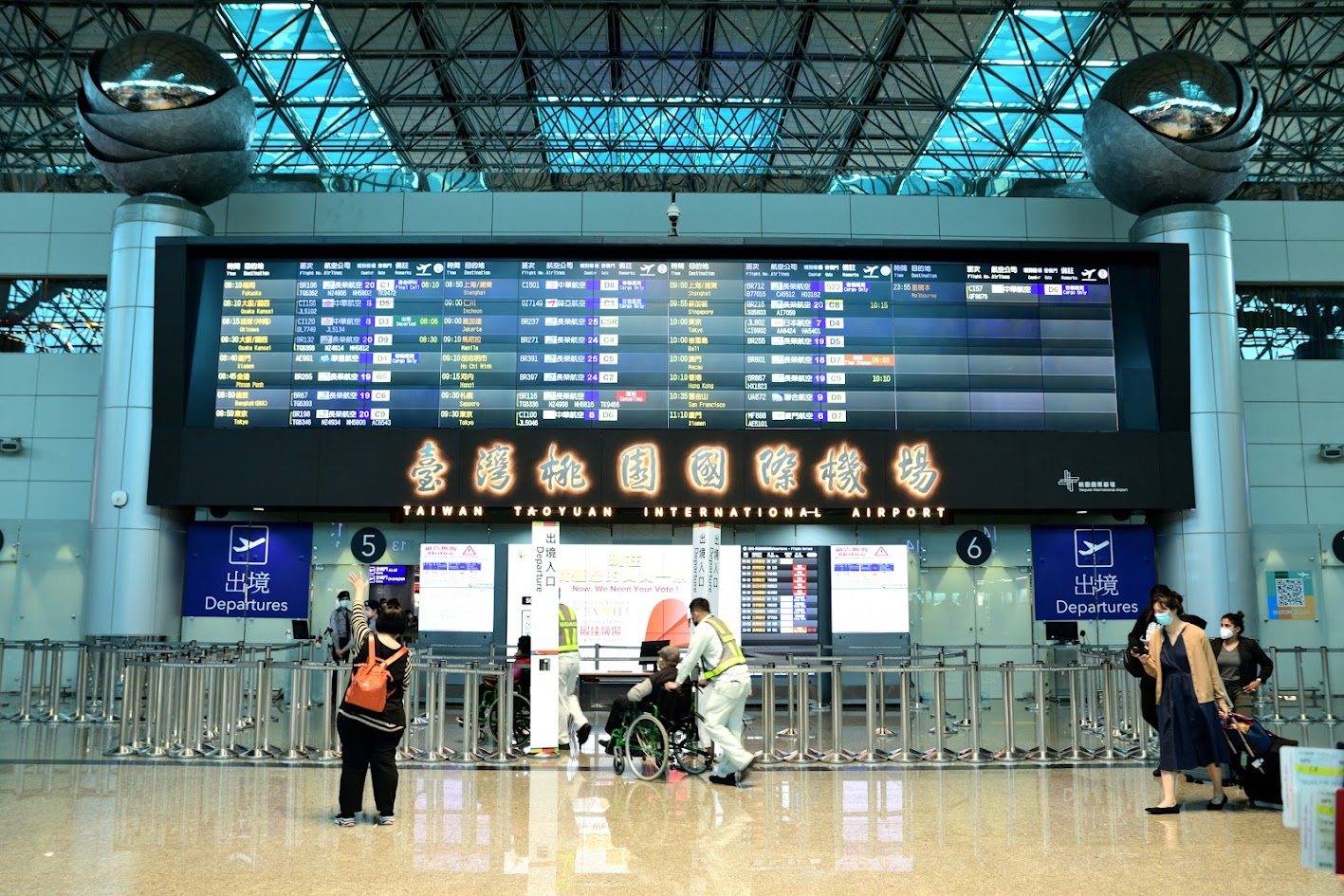
Airport Arrival
Taoyuan International Airport is large and well-signposted in English. For TFETP placements, the school or programme coordinator often arranges pickup; confirm before departure.
Alien Resident Certificate (within 15 days)
Apply at the National Immigration Agency branch covering your address once your employer's work permit is approved. The ARC is your primary identity document for all daily transactions in Taiwan.
Health Check
A medical examination at a designated hospital is required as part of the work permit and ARC application. Tests cover general health and tuberculosis; your employer will direct you to the approved facility.
National Health Insurance Enrolment
Your employer enrols you in Taiwan's National Health Insurance scheme once your ARC is issued. Confirm this has been completed in your first week — do not leave a gap in coverage.
Bank Account (Week 1–2)
Bank of Taiwan, CTBC, and Cathay United Bank are the most foreigner-accessible options. An ARC or the ARC application receipt is generally required to open an account.
SIM Card
Purchase from Chunghwa Telecom, Taiwan Mobile, or FarEasTone; passport or ARC required. Prepaid SIMs are available at the airport for immediate use.
Housing and Address Registration
Once you've settled on accommodation, your landlord or employer will assist with any local registration requirements tied to your ARC address.
Travel possibilities and average costs
Taiwan High Speed Rail connects the west coast from Taipei to Kaohsiung in around ninety minutes, making weekend travel across the island easy without a car, and Taoyuan International Airport is well served by budget carriers across Asia.
Domestic travel
Taiwan is easy to explore thanks to its efficient rail network, making weekend trips simple. Beyond Taipei, you'll find historic cities, mountain lakes, Indigenous culture, dramatic coastlines, and some of Asia's best local food.
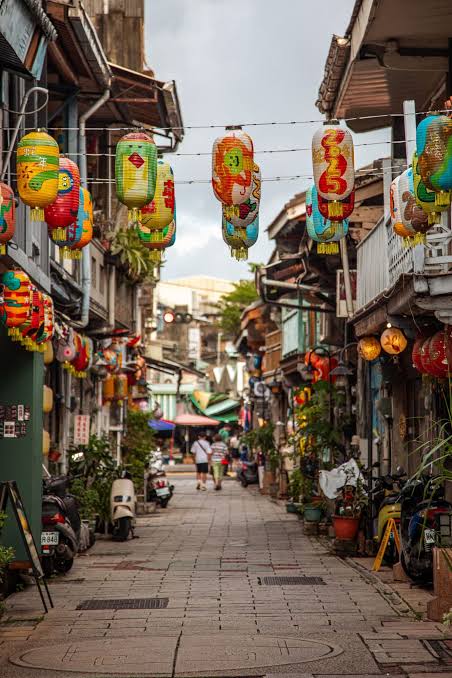
- Taiwan's oldest city, known for historic temples, traditional streets, local food, and a slower pace of life
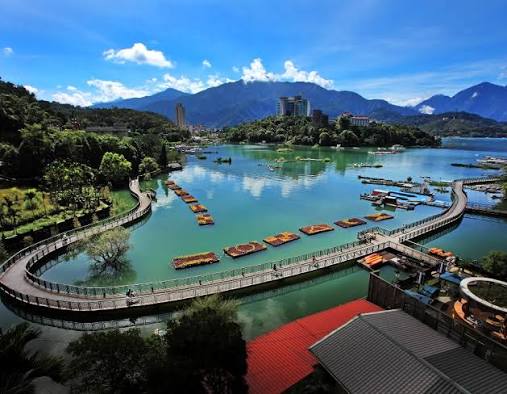
- A scenic mountain lake surrounded by cycling trails, forests, cable cars, and Indigenous culture

- Mountain forests known for scenic railway journeys, sunrise viewpoints, tea plantations, and cool alpine weather
International travel
Taiwan sits at the crossroads of Northeast and Southeast Asia, making short international holidays easy. Direct flights connect to cultural cities, tropical islands, and world-class food destinations within just a few hours.
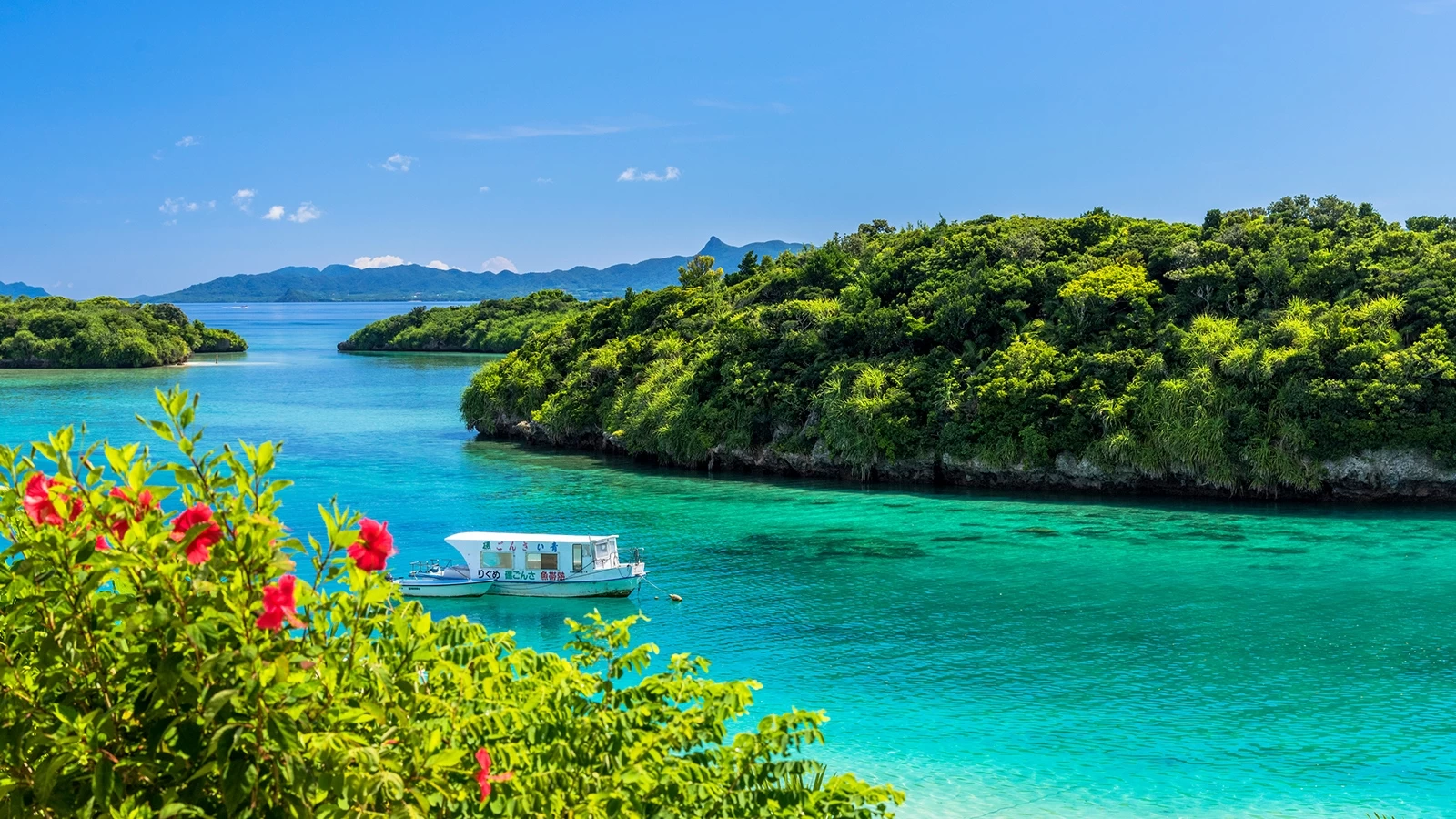
- Tropical islands, beaches, diving, and Okinawan culture
- $From TWD 4,500 return

- Fresh seafood, colourful villages, mountain temples, and lively markets
- $From TWD 6,500 return

- Historic towns, mountain scenery, beaches, and exceptional Vietnamese cuisine
- $From TWD 6,000 return
Daily life and practical tips
- →LINE is the dominant messaging app and effectively essential for daily communication, including with schools and colleagues.
- →Foodpanda and Uber Eats cover most food delivery, with 7-Eleven and FamilyMart filling in for anything urgent.
- →Uber, Taiwan Taxi and LINE Taxi are the main ride-hailing options, alongside plentiful metered street taxis.
- →The THSR website and 12Go or Trip.com handle high-speed rail and flight bookings respectively.
- →The expatriate teaching community is often described as one of the friendliest in Asia, with language exchanges, hiking groups and night market outings a normal part of settling in.
- →Learning basic Mandarin is genuinely useful for daily paperwork, housing and local life, even though most schools do not require it.
- →Night markets are a central and very affordable part of daily food culture in every city.
- →Placements outside Taipei through the government programme tend to be more accessible for new applicants, while city placements are more competitive.
- →Supermarkets: PX Mart, Carrefour and RT-Mart are the major chains, found in every city.
Phrase book for daily life
A handful of everyday phrases in Mandarin (pinyin romanisation), useful from the first week.
Jobs in Taiwan
Browse current teaching and language education positions available in Taiwan.
View PositionsAny businesses, organisations, schools, banks, apps, or services mentioned in this guide are included for informational purposes only. EastRecruit is not affiliated with, endorsed by, or in partnership with any of them.