
Overview
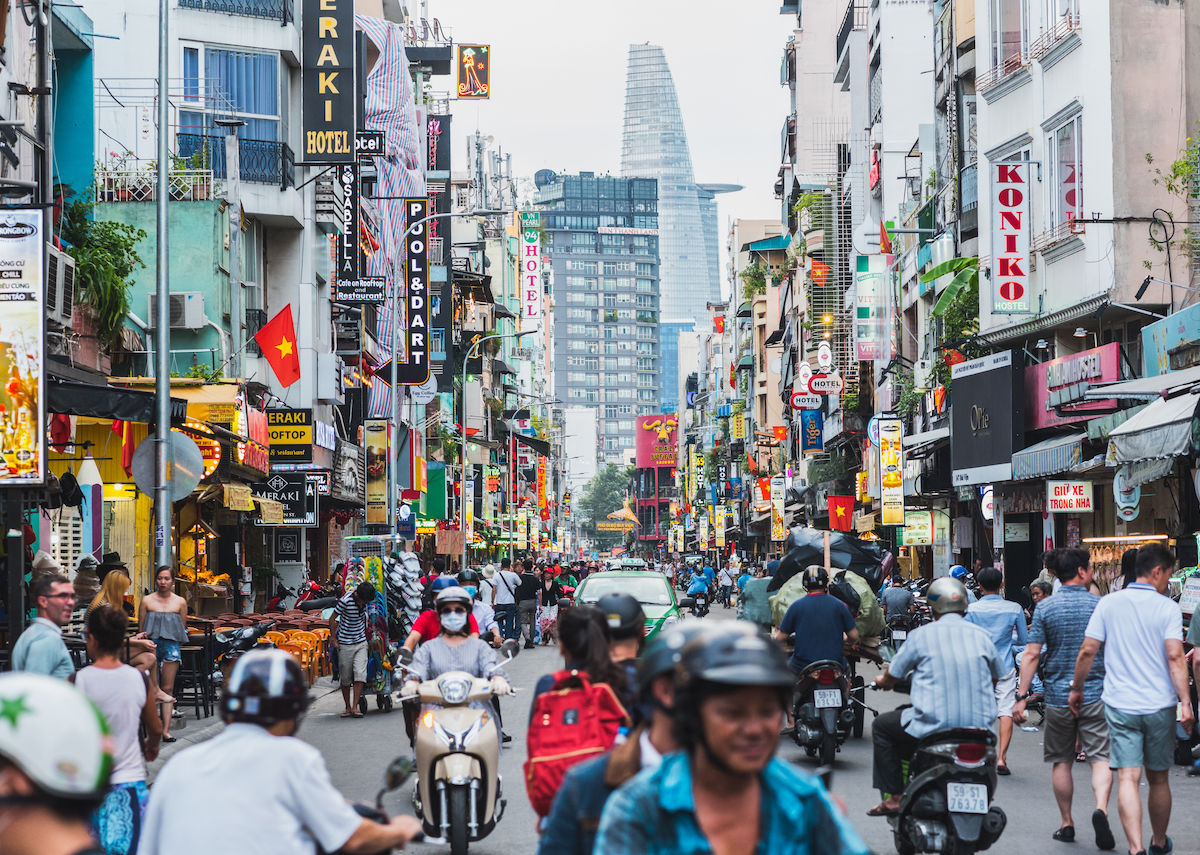
Vietnam offers one of the lowest costs of living of any major teaching market in Asia, which stretches even a mid-tier salary a long way, alongside genuinely excellent, inexpensive food and a rapidly growing expatriate community in Hanoi, Ho Chi Minh City and Da Nang.
Types of schools and institutions
Public schools and private language centres are the most common entry point into Vietnam's market, covering young learners through to adult and business English. Enforcement of work permit requirements has increased substantially since 2025, making it worth confirming any prospective employer's compliance before accepting a role.
- ✓Bachelor's degree (any subject)
- ✓120-hour TEFL
- ✓Apostilled/legalised background check
International schools are Vietnam's best paid teaching option, concentrated in Ho Chi Minh City, Hanoi and, increasingly, Da Nang. A recognised teaching licence and classroom experience are generally preferred given the smaller number of positions available compared with the wider region.
- ✓Recognised teaching licence
- ✓Classroom experience generally preferred
University lecturing offers comparable or slightly better pay than language centre work, with a lighter teaching load and growing demand for an MA as tertiary institutions raise their entry requirements.
- ✓MA increasingly preferred for tertiary roles
Corporate English training serves the multinational and domestic business sectors in Ho Chi Minh City and Hanoi, generally on an hourly freelance basis. Professional experience and strong business English are expected given the seniority of typical clients.
- ✓Professional experience and business English skills expected
Visa and work permit
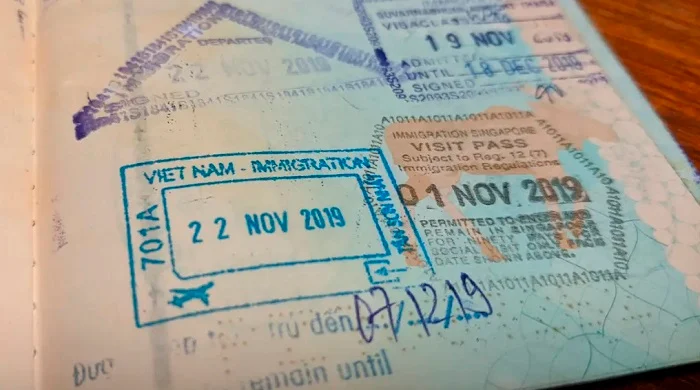
A work permit is required for anyone teaching in Vietnam, governed since 2025 by an updated decree that applies consistently across public schools, language centres, international schools and universities.
- 1A bachelor's degree in any subject is mandatory for a work permit, along with a 120-hour TEFL or TESOL certificate
- 2Degrees and background checks must be authenticated through apostille or legalisation at the Vietnamese embassy in the teacher's home country before the work permit application can proceed
- 3A work permit is valid for up to two years and can be renewed once for a further two years
- 4Enforcement has increased substantially since 2025, with regular checks at language centres in Hanoi and Ho Chi Minh City; teaching without a valid permit carries fines for both teacher and employer, along with possible deportation and an entry ban
- 5There is no maximum age limit for a work permit, provided the health check requirement is met
Hiring season
Language centres hire throughout the year, while public schools, international schools and universities align more closely to the September academic year start, with international schools generally recruiting several months in advance in line with the wider regional pattern.
Career progression
Schools in Vietnam offer promising career growth potential, particularly as the international school sector continues to expand. Many employers support long-term staff in moving into more senior roles through training and further qualifications, and open up greater opportunities as they become available. Typical career progression in Vietnam looks like this:
Stage
What it looks like
Entry
Year 1
Language centre or public school role while building local experience and, if needed, working towards a full work permit
Consolidation
Years 2 to 3
Move to a stronger language centre or into an international school with the right qualifications
Specialisation
Years 3 to 5
University lecturing, curriculum coordination, or a senior teacher role at an international school
Senior roles
Year 5 onwards
Department head or coordinator roles; the market for senior international school leadership is smaller than in China, Korea or Japan, and many teachers gain experience here before moving to a larger regional market
Taxes
Vietnam introduced a reformed personal income tax law effective from 1 July 2026, simplifying the schedule from seven bands to five and raising the tax-free deduction.
Resident taxpayers can claim a personal deduction of ₫15.5 million per month plus ₫6.2 million per registered dependant before these bands apply, meaning many teaching salaries fall well below the higher rates. Non-residents (fewer than 183 days in Vietnam) pay a flat 20% on Vietnam-sourced income instead.
Cost of living
Vietnam is one of the more affordable countries to live in anywhere in the world. Even a modest local salary affords a comfortable lifestyle, and the savings potential relative to income is among the strongest of any market in this guide.
Life in Vietnam
Housing and renting
Renting is common in serviced apartments and standard apartment blocks in both Hanoi and Ho Chi Minh City, often arranged through local agents or large expatriate Facebook groups dedicated to housing in each city. Landlords frequently ask for several months' rent upfront rather than a small monthly deposit, and lease terms are not always standardised, so reading any contract carefully, ideally with a Vietnamese-speaking colleague or an agent used to dealing with foreign tenants, is worthwhile.
Quality of life and where to live
Vietnam offers a genuinely low cost of living alongside a fast-growing expatriate scene, with traffic being the most common daily adjustment for new arrivals.
- Ho Chi Minh City:Largest and most vibrant, the biggest expatriate and international school base
- Hanoi:Historic, four distinct seasons, French colonial architecture, slightly cooler climate
- Da Nang:Beach city with a growing international school market and a noticeably relaxed pace
Healthcare
Private hospitals and clinics geared towards foreigners, such as Family Medical Practice and Vinmec, are the recommended option and remain inexpensive by Western standards. International health insurance is strongly advisable, since public hospitals can involve language barriers and more limited resources for foreign patients.
Banking

Vietcombank, Techcombank and ACB are commonly used by foreign residents, generally requiring a valid work permit and temporary residence card to open an account. It is worth confirming upfront exactly how and when a school pays salary, since payment practices vary more between employers here than in some neighbouring markets.
First Weeks: Step by Step
Airport Arrival
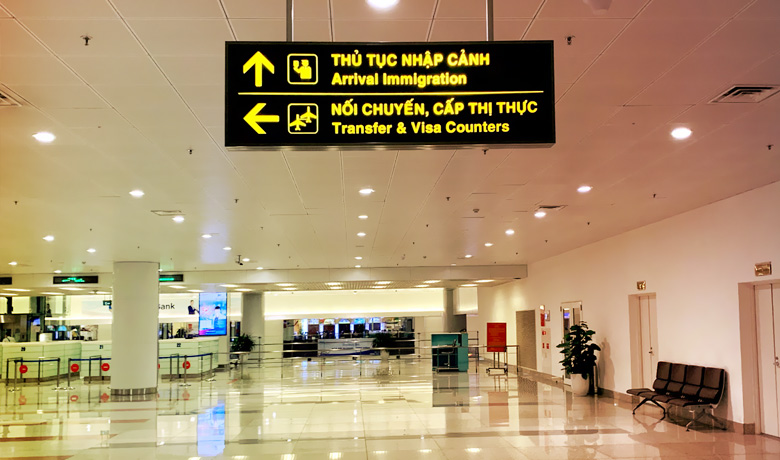
Noi Bai (Hanoi) or Tan Son Nhat (Ho Chi Minh City) serve most arrivals. Confirm with your employer whether pickup is arranged, particularly for a first placement.
Temporary Residence Registration (within 24–48 hours)
Your landlord or employer must notify the local police of your address, a standard requirement for all foreign residents in Vietnam.
Health Check
A medical examination at a designated hospital is required as part of the work permit application. Your employer will direct you to an approved facility.
Work Permit and Temporary Residence Card
Your employer submits your work permit application, which then supports your temporary residence card, valid for up to two years.
Bank Account (Week 1–2)
Open an account with Vietcombank, Techcombank, or ACB. A valid work permit and temporary residence card are generally required.
SIM Card
Purchase from Viettel, Mobifone, or Vinaphone; passport required. Prepaid data plans are inexpensive and widely available from any branch or convenience store.
Housing Setup
Serviced apartments are a popular first step while you look for longer-term accommodation; local expatriate Facebook groups are a common resource for finding both.
Travel possibilities and average costs
Vietnam is very well positioned for regional travel, with budget carriers such as VietJet and Bamboo Airways connecting Hanoi, Ho Chi Minh City and Da Nang to destinations across Southeast Asia cheaply, alongside inexpensive domestic flights for exploring the country itself.
Domestic travel
Vietnam stretches over 1,600 kilometres, offering incredible variety from mountain villages and ancient capitals to quiet beaches and bustling food destinations.

- Dramatic limestone landscapes, river boat trips, ancient temples, and cycling through rice fields.

- Vietnam's former imperial capital, known for royal palaces, historic tombs, and regional cuisine.

- Vietnam's tropical island escape, known for white-sand beaches, clear water, seafood, and relaxed coastal scenery.
International travel
Vietnam's central location makes exploring Southeast Asia easy, with short flights to neighbouring countries offering everything from ancient temples to island escapes.
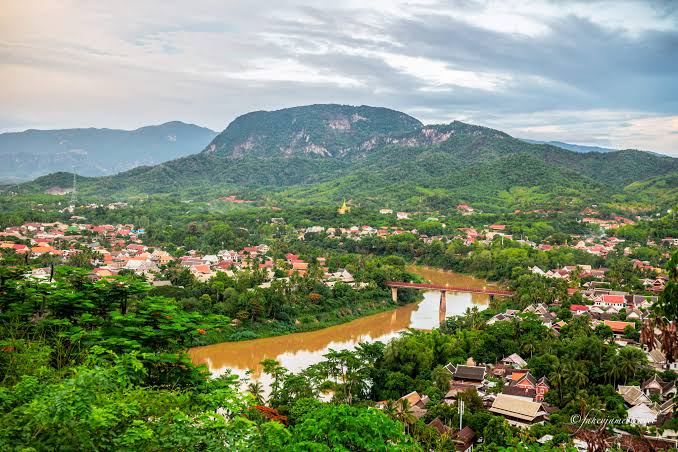
- Historic temples, waterfalls, riverside cafés, and French colonial charm.
- From VND 3.5 million return
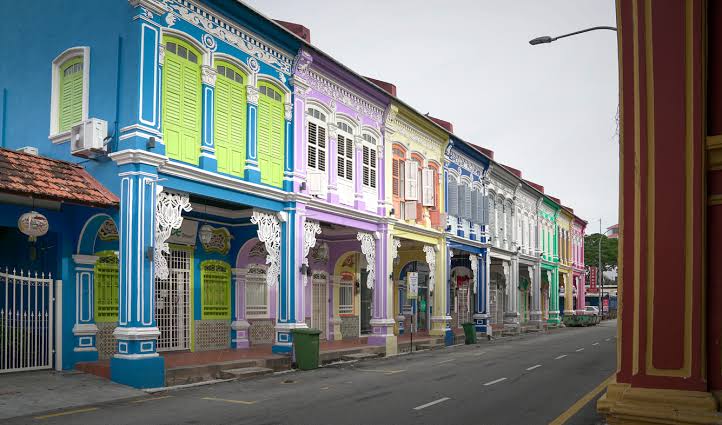
- World-famous street food, colourful heritage districts, and vibrant arts scene.
- From VND 4 million return

- Iconic skylines, local dining, vibrant street markets for food and shopping, and heritage.
- From VND 4.5 million return
Daily life and practical tips
- →Zalo is the dominant local messaging app, though Messenger also remains widely used for daily communication.
- →GrabFood and ShopeeFood handle most food delivery in the major cities, with fast, affordable turnaround.
- →Grab is the default ride-hailing app for both cars and motorbikes, alongside the newer electric taxi service Xanh SM.
- →Baolau and 12Go handle domestic train bookings, while Traveloka and Trip.com are commonly used for flights.
- →Traffic, particularly the volume of motorbikes in Hanoi and Ho Chi Minh City, is usually the biggest daily adjustment for new arrivals.
- →Street food is a central and extremely affordable part of daily life, with simple meals costing only the equivalent of a dollar or two.
- →Da Nang has become an increasingly popular base for teachers seeking a slower pace and easy beach access alongside a growing international school market.
- →Given the pace of regulatory enforcement in recent years, checking that a prospective employer genuinely holds the licences needed to sponsor a work permit is worth doing before accepting an offer.
- →Supermarkets: Co.opmart, WinMart and Big C/GO! are the major chains, found across Hanoi and Ho Chi Minh City.
Phrase book for daily life
A handful of everyday phrases in Vietnamese (tone marks omitted for simplicity), useful from the first week.
Jobs in Vietnam
Browse current teaching and language education positions available in Vietnam.
View PositionsAny businesses, organisations, schools, banks, apps, or services mentioned in this guide are included for informational purposes only. EastRecruit is not affiliated with, endorsed by, or in partnership with any of them.