Embracing the Food Culture
Food is one of the most immediate and accessible entry points into a new culture and one of the most reliable sources of daily pleasure when living abroad. Teachers who approach food with genuine curiosity almost universally describe it as a highlight of the experience. Those who struggle to adapt often identify restricted eating as a source of ongoing social friction and daily low-level dissatisfaction.
This does not mean you need to love everything; every culture has foods that take time, or simply do not appeal. But approaching each meal as an opportunity to explore rather than a problem to be solved sets the right tone. Local colleagues are almost always genuinely pleased when foreign teachers show interest in local food, and these conversations build relationships faster than almost anything else.
Grocery Shopping Abroad
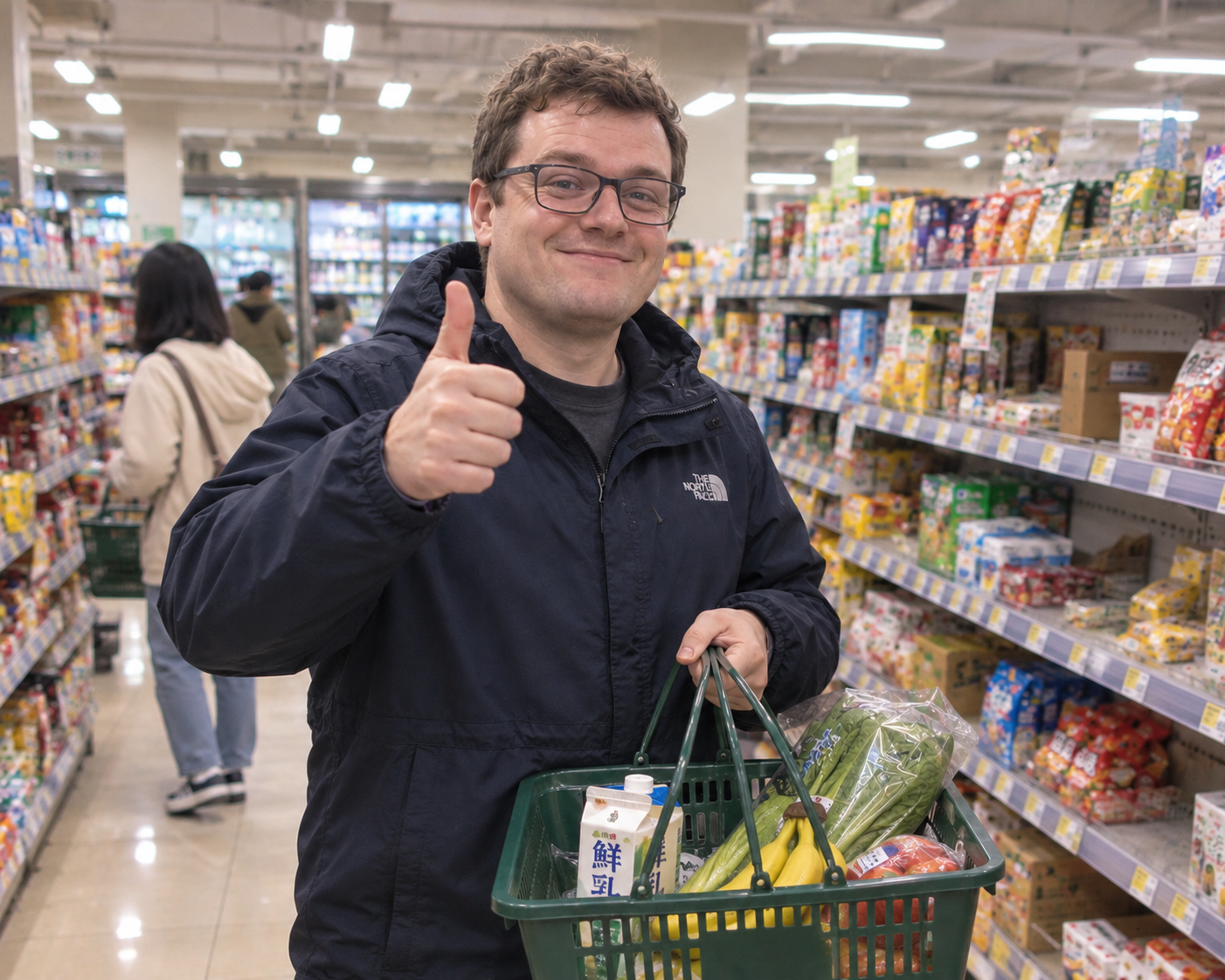
Finding reliable grocery shopping is one of the first practical challenges of settling in. Most cities in Asia have both traditional wet markets selling fresh produce and seafood, and modern supermarkets with a broad range of local and imported products. Wet markets are typically cheaper and have better fresh produce; supermarkets offer more variety and a more navigable experience for new arrivals.
Western or international supermarkets carry many familiar products at a premium price. Most teachers find they use these occasionally for specific items and rely on local supermarkets and wet markets for everyday shopping within a few months of arrival.
Navigating Menus and Dietary Needs
Dietary restrictions require preparation, but they are manageable in all of the major teaching destinations across Asia. The key is learning the relevant vocabulary in the local language early, not fluency but the specific words or phrases that communicate your needs clearly. A printed card in the local language stating your dietary requirements is a practical solution that works across restaurants, night markets, and canteens.
Common Challenges by Country
China
Japan
South Korea
Vietnam
Thailand
Daily Routines That Work
Routines are the infrastructure of a sustainable life abroad. The first few weeks rarely have them; you are still working out where everything is and how everything works. But deliberately establishing a morning routine, a commute routine, and an evening routine as early as possible creates a sense of control and predictability that is genuinely protective during the adjustment period.

Small things carry disproportionate weight: a particular coffee shop near school, a running route through the neighbourhood, a regular evening walk. These anchors make a new country feel like somewhere you live, not just somewhere you are staying.
Money, Transport and Practical Admin
Getting practical admin sorted in the first two weeks reduces a significant source of background stress. Priority items are: a local bank account or reliable way to access local currency, a transit card for public transport, a local SIM card, and registration with your embassy if required by your home country.
Transport Cards
Most cities in Asia have excellent, affordable public transport accessible via reloadable cards: Octopus in Hong Kong, T-Money in South Korea, Suica or Pasmo in Japan, or city-specific metro cards in Chinese cities. These make daily commuting and getting around significantly easier than cash.
Mobile Payments
In China, Alipay and WeChat Pay have largely replaced cash even at street food stalls. Setting up one of these apps early, with your school HR or a colleague guiding you through the process, is a practical necessity in most mainland cities.
Technology and Staying Connected
Staying connected with family and friends back home is important for mental health and relationship maintenance, but it benefits from some intentionality. Unlimited access to home can prevent full engagement with where you actually are. The teachers who thrive long-term abroad tend to have a rhythm: genuine presence during the week, deliberate connection with home at weekends.
In China, most Western communication platforms (WhatsApp, Instagram, Google, YouTube) require a VPN to access. Download and set up a reliable VPN service before arriving, as the App Store and Google Play have country restrictions that make this harder to do from within China. ExpressVPN and NordVPN are the most commonly used among expat teachers.
A new country stops feeling foreign the moment it starts feeling routine. Food, markets, transport cards, and a Sunday phone call: this is what daily life abroad is actually made of.
Related Guides

Finding Accommodation
Tips for securing housing before and after arrival, covering agency apartments, local rentals, and school-provided options.
Read more
Navigating Culture Shock
A practical guide to the emotional stages of culture shock and strategies that help you adapt and thrive.
Read more
Work-Life Balance Abroad
How to structure your time, set healthy boundaries, and avoid burnout when teaching in a new country.
Read more