Why Community Matters More Than You Think
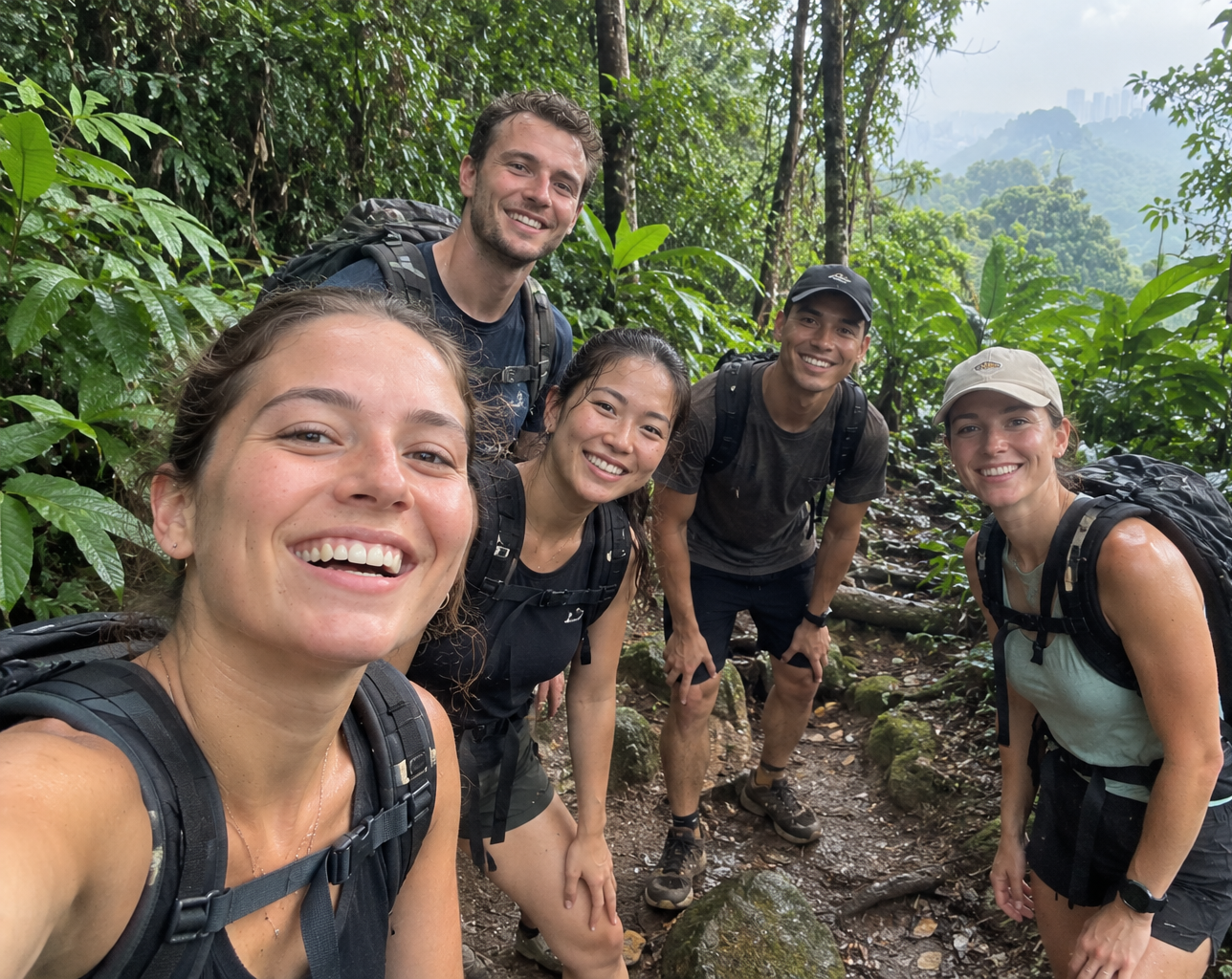
The research on expat wellbeing is consistent: social connection is the single strongest predictor of a positive experience abroad. Not the country. Not the salary. Not even the school. Teachers who build a genuine community in their first few months stay longer, perform better in the classroom, and report significantly higher life satisfaction than those who remain isolated, even when their other circumstances are similar.
Community doesn't happen by accident when you're an adult in an unfamiliar country. It requires deliberate, sometimes uncomfortable effort, particularly if you've always found social connection easy at home and never had to work for it.
A Realistic Community Timeline
Community-building follows a rough arc. Knowing what each stage actually looks like helps you calibrate effort and avoid discouragement when month one doesn't feel like month six.
Say yes to almost everything, attend staff social events, join two or three Facebook groups. The goal is exposure, not selection — you can't yet tell who you'll click with.
Patterns start to emerge. Start initiating one-on-one plans rather than waiting to be invited — this is the single biggest lever for turning acquaintances into friends.
Your effort shifts from meeting new people to investing in the ones who are sticking. Standing plans — a weekly dinner, a Sunday hike — start to form.
You now know the ropes. Start being the person who organises things, welcomes new arrivals, and introduces people to each other.
Finding Your People at School
Your school is the most natural starting point. The foreign teaching staff are navigating the same experience you are, and this shared circumstance creates a basis for connection that can quickly become genuine friendship. Most staffrooms have a small cluster of people who organise social events; find them early.
Do not overlook local colleagues. They know the country, the city, the food, and the culture in ways no expat can, and some of the most culturally enriching connections many teachers form abroad are with local staff who enjoy showing someone new the things they love about where they live.
Breaking the Ice, Even If It Feels Awkward
The hardest part is rarely the conversation itself, it's the opening line. These work better than they feel like they should.
"It's my first week and I don't know anyone yet."
"I'm still finding my feet here, are you around this weekend? I'd love to check out [neighbourhood/restaurant] if you're free."
"I want to join the staffroom group but don't know how to ask."
"I heard you all go for dinner on Fridays, mind if I tag along this week?"
"A local colleague offered a recommendation and I want to keep the conversation going."
"That sounds great, would you want to show me sometime? I'd genuinely love to try it with someone who knows what's good."
Expat Networks and Social Groups
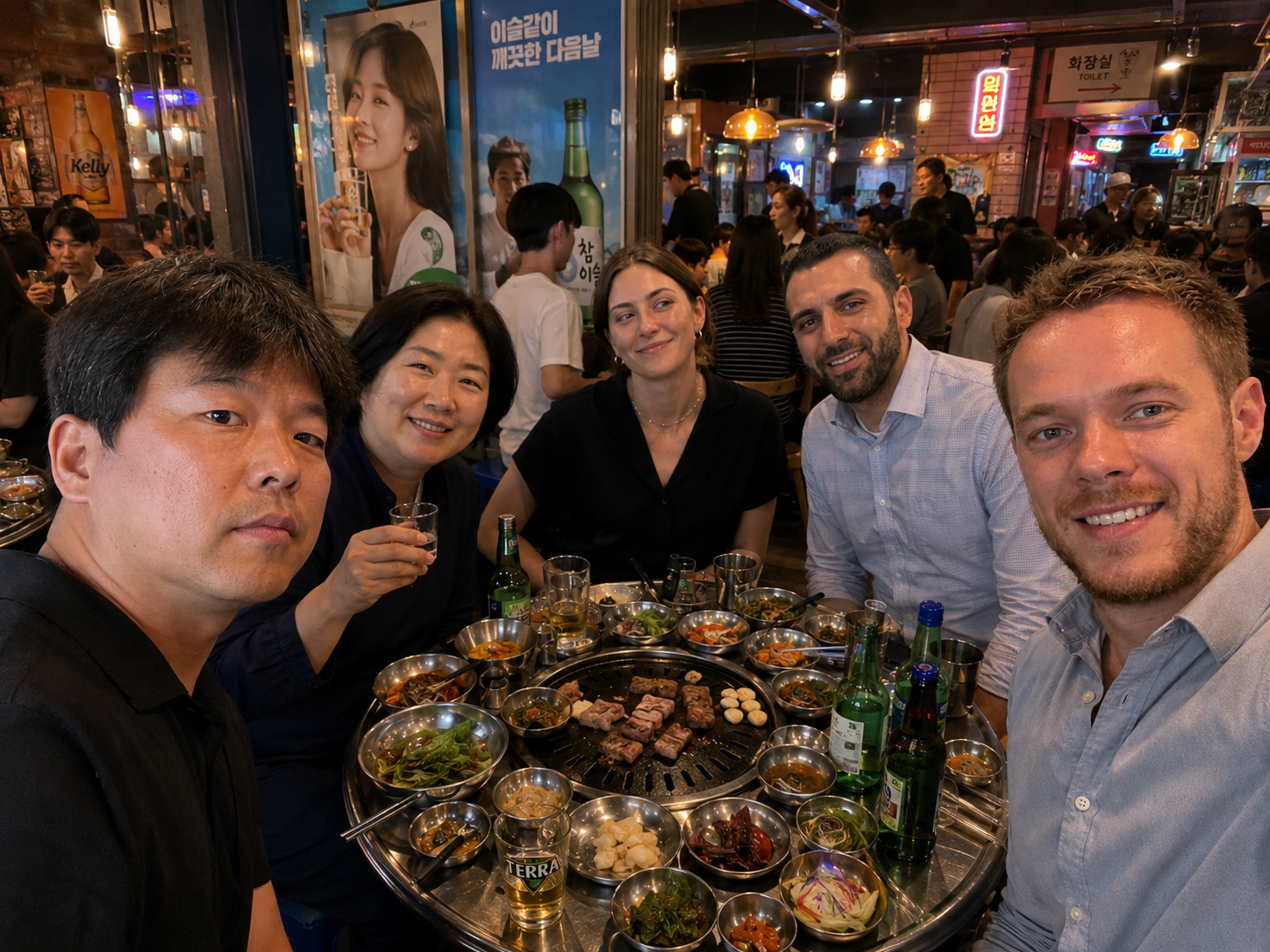
Most major cities in Asia have established expat communities with regular social events, sports leagues, cultural activities, and professional networks. These can be invaluable, particularly in the early months, when your school social life is still developing. Meetup.com, Facebook expat groups, and city-specific forums are the most reliable ways to find them.
From Event to Actual Friendship
Attending events is the easy part. Converting a good conversation into an ongoing friendship is where most people drop the ball.
Making Local Friends
Building genuine friendships with local people is one of the most rewarding parts of living abroad and one of the most underinvested in by many expat teachers. Language is the obvious barrier, but it is much less significant than most people assume, particularly among under-30s in major Asian cities, where English proficiency is often high.
Language exchange meetups are particularly effective: you practise their language, they practise yours, and the mutual vulnerability creates a natural basis for genuine connection. Apps like Tandem and HelloTalk connect language learners globally, and local exchange cafes operate in most major cities.
Show genuine curiosity about the culture, not in a touristic way, but the way you would with a new colleague at home. Asking someone what they love about the city they grew up in, or what they wish foreigners understood about their country, opens conversations that generic small talk never reaches.
Conversation Starters That Actually Open Doors
Online Communities
Online communities are genuinely useful for practical advice and for feeling less alone when you are new. They are also a reliable source of the worst-case anecdotes that will alarm you unnecessarily if you engage with them uncritically.
Maintaining Relationships Back Home
The relationships that survive a year or more abroad are almost always the ones invested in deliberately. The friend who sends occasional voice messages, the family member who sets up a regular call, the group chat that stays active: these connections require active maintenance from both sides, and your friends and family need to know you value them even from a distance.
Community abroad is built the same way it is anywhere: one specific plan, one honest conversation, one follow-up message at a time. Start before you feel ready — the people around you are looking for the same thing you are.
Related Guides
Navigating Culture Shock
A practical guide to the emotional stages of culture shock and strategies that help you adapt and thrive.
Read more
Work-Life Balance Abroad
How to structure your time, set healthy boundaries, and avoid burnout when teaching in a new country.
Read more
Learning the Local Language
You don't need fluency. A practical approach to picking up the basics and why it transforms your experience abroad.
Read more