
Can you give us a sense of how your career path has unfolded?
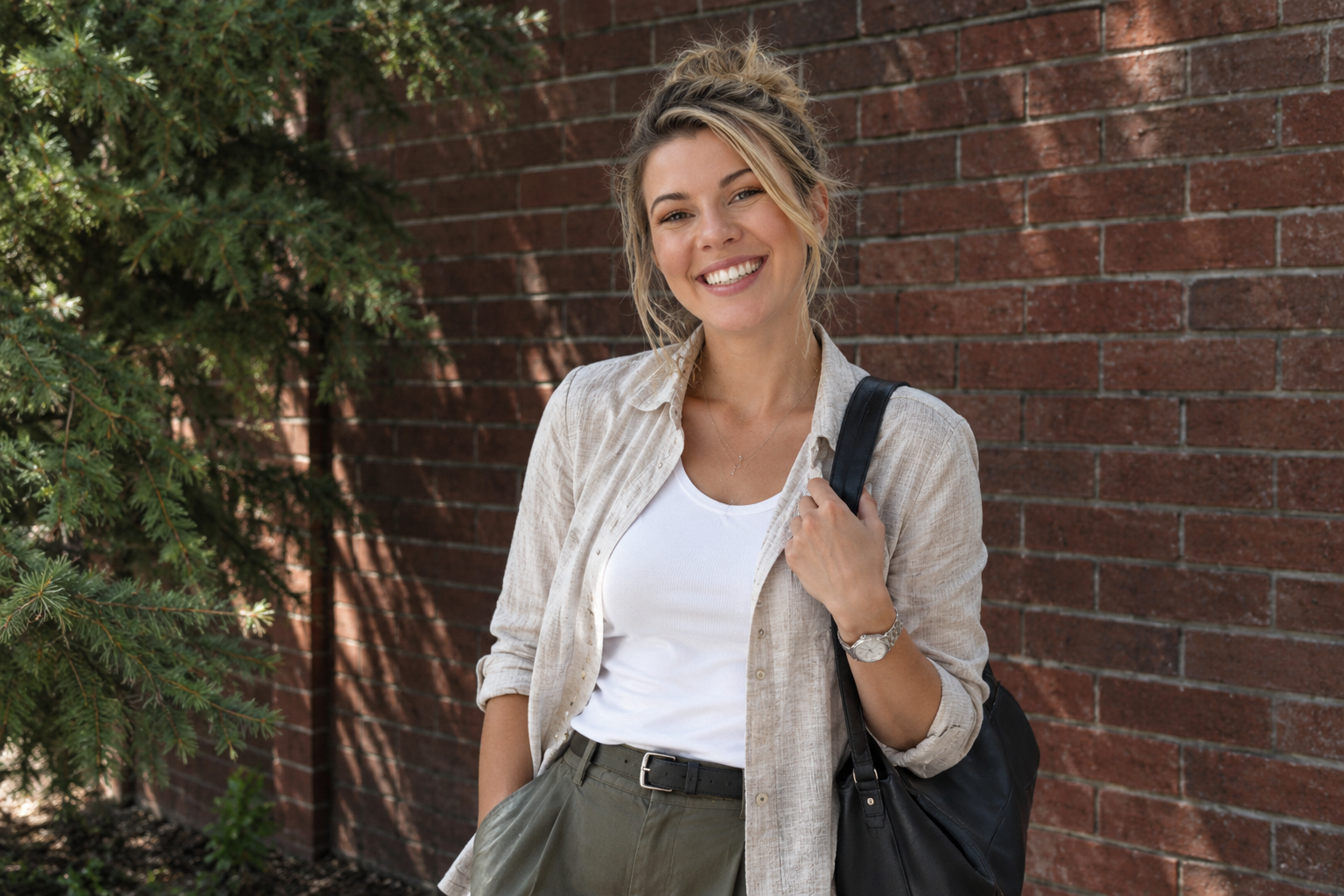
I studied linguistics at university and knew early on that I wanted to work with language in a practical way rather than an academic one. My first role after graduating was teaching English to new immigrants and refugees in Toronto through a community language programme, which was one of the most rewarding things I've ever done. The students were adults rebuilding their lives in a new country and English was the key to almost everything for them. That experience taught me more about real language acquisition than any textbook could. After a few years I wanted to push myself further and Japan had always been in the back of my mind, so I made the move and joined a language school in Tokyo as an ESL teacher. I threw myself into it completely, took on extra projects wherever I could, got involved in curriculum discussions early, and completed a postgraduate diploma in educational leadership while still working full time. That combination of classroom experience and deliberate leadership development led to a supervisor role and eventually to the curriculum coordinator position I hold now. It has been a gradual climb but every step has built on the one before it and I wouldn't change the path at all.
What does the coordinator role actually involve day to day?
It's genuinely complex in the best way. I'm shaping curriculum across two languages, mentoring newer teachers, managing relationships with academic leadership and constantly thinking about how we improve as a school. There's strategic work and there's deeply human work and the best days are when those two things happen at the same time. When I think back to my early days in the classroom in Toronto, the distance travelled feels significant. But the thing that hasn't changed is that it's still fundamentally about helping people communicate and connect. That thread runs through everything I've done.
A typical day
- 6:45am
- I wake up and get ready, a quick coffee before the commute. Mornings are non-negotiable quiet time before the messages start coming in.
- 7:30am
- I commute via the Tokyo Metro to school, checking the day's schedule and any messages from teaching staff on LINE, usually a few queries about lesson resources or timetable changes waiting by the time I'm on the train.
- 8:15am
- I arrive at school and review curriculum documents and lesson plans ahead of the morning briefing, today that means finalising the term's assessment schedule across both the Japanese and English strands.
- 8:45am
- Morning staff meeting, I flag upcoming assessment deadlines and any curriculum updates for the term, and check in with year group leads on how the bilingual programme alignment is tracking.
- 9:30am to 12:00pm
- Classroom observations and teacher mentoring across several year groups, followed by feedback notes. I spend a good chunk of the morning with a newer English-medium teacher working on pacing, plus a quick sit-in on a Japanese language class to see how a new unit is landing with students.
- 12:15pm
- Lunch at a little panini cafe near school, today it's a prosciutto and mozzarella one with a coffee, it's become a bit of a Tuesday habit at this point.
- 1:00pm to 3:30pm
- Curriculum planning meetings with subject leads, working through the bilingual programme's alignment between Japanese and English strands. Today's focus is making sure the science unit translates consistently across both languages without losing rigour in either.
- 3:45pm
- Parent enquiries and email correspondence, along with liaising with the school's international office on accreditation paperwork, this term that means gathering evidence for an upcoming curriculum review.
- 5:00pm
- I wrap up for the day, occasionally staying back for professional development sessions on Tuesdays, today's one is on assessment moderation practices across the two programmes.
- 5:30pm
- I head home via the metro, stopping by a local supermarket to pick up salmon and vegetables for dinner.
- 7:00pm
- I've been trying to cook more Japanese food, so tonight I cooked a simple ginger-pork dish with rice. Then had some downtime before an early night ahead of another school day.
What keeps you in Tokyo?
I came thinking two years, maybe three. That was several years ago now. The honest answer is that Japan just works in a way that's hard to walk away from once you've got used to it. The city keeps surprising you, the job keeps growing, the life you build here starts to feel like yours in a way you don't expect. At some point leaving stopped feeling like the obvious next step and staying started feeling like the better one.
What would your advice be for educators who want to move into leadership roles internationally?
Start building your leadership profile earlier than feels necessary and do it wherever you currently are. Don't wait until you're applying for senior positions to start demonstrating that you can think beyond the classroom. Volunteer for curriculum projects, offer to mentor newer colleagues, take the postgraduate qualification even when you're tired after a full week of teaching. Every bit of evidence you gather that you can think systemically rather than just deliver lessons well is something you can take with you when you make the move internationally. And when you do make that move, show up with genuine commitment from day one. Schools here notice it quickly and reward it.
What does your life look like in Tokyo?
Richer than I expected, and more surprising. Tokyo has a reputation for being difficult to break into socially and I think that's partly true and partly misunderstood. It takes a little more patience than somewhere like Bangkok, but the connections you build here run genuinely deep. I found my social footing through a pottery studio in Yanaka where I take classes on Saturday mornings, and that single decision opened up an entire community of people I love spending time with, locals, long-term expats and newer arrivals all mixed together. I've also joined a weekend hiking group that explores the trails around Okutama west of the city, which is absolutely spectacular and almost entirely off the tourist radar. We go out about twice a month and it has become one of my favourite things about living here. I've also picked up bouldering at an indoor climbing gym near my apartment, which started as something to fill rainy evenings and has turned into a proper hobby with a regular crew I climb with on weeknights. The social life here rewards patience and curiosity, and once it opens up it really opens up.
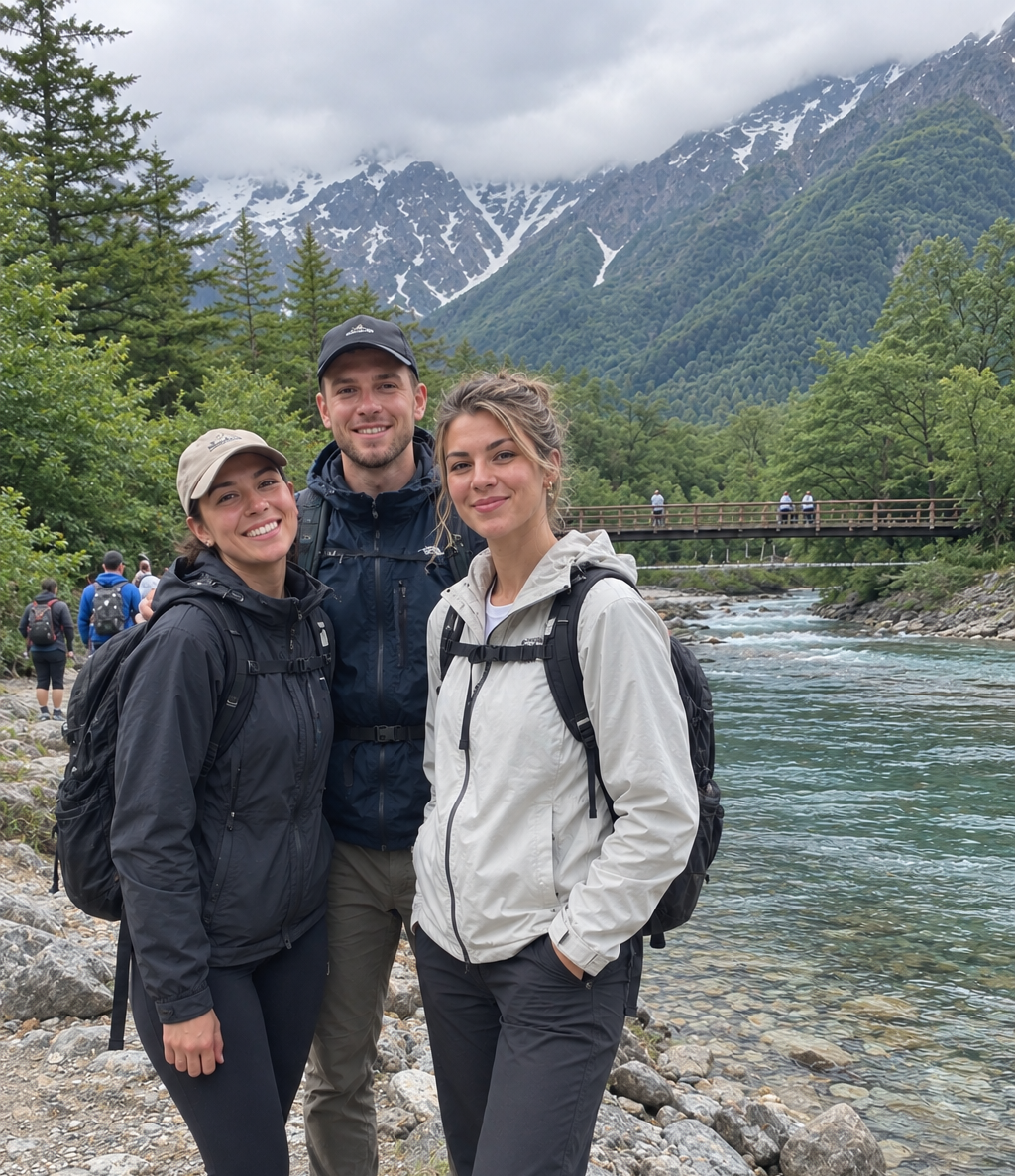
Pottery in Yanaka, weekend hiking in Okutama, bouldering sessions on weeknights, nature trips to Hakone or Nagano when longer weekends allow, cycling Tokyo's backstreets, and a personal mission to eat at every ramen shop within a kilometre of her apartment. Tokyo also has an extraordinary arts and design culture that feels completely inexhaustible. There is always something worth seeing and always somewhere new to explore.
Was there anything harder than you anticipated?
The administrative side of Japanese life has a learning curve. Things that would be a quick online form at home sometimes involve multiple visits and a level of process that feels unfamiliar at first. But I've genuinely come to appreciate the logic behind it. Japan is a place where very little falls through the cracks, and that care extends into almost every part of daily life once you understand it. I also missed certain foods from home more than I expected. There's a particular kind of North American comfort food culture that doesn't really exist here. But Tokyo is one of the most food-diverse cities on the planet and you adapt quickly, and then you stop missing things because you're too busy being delighted by what's in front of you.
One thing you wish you'd known sooner
That patience is a skill, not a personality trait. Japan rewards it enormously, professionally and personally. The first few months take adjustment but once you find your footing you'll feel more at home than you ever expected. And looking back at the journey from a community classroom in Toronto to a curriculum coordinator role in Tokyo, I can see that every step mattered. None of it was wasted.